Central Europe Road Trip 1/6: Vienna & Budapest – Karlskirche, Fisherman's Bastion, Road Vignettes
Part 1 of our late-May 2025 Central Europe road trip: Karlskirche, St. Stephen's Cathedral and cake in Vienna, then Hungary, the Danube and Buda Castle Hill with Fisherman's Bastion and the Magdalene Tower. Includes tips on electronic road tolls for a three-country drive.
This article was submitted by a member. Views and content are the author’s own and do not represent this site.
This article contains commercial links (affiliate or paid) that may earn the author a commission.
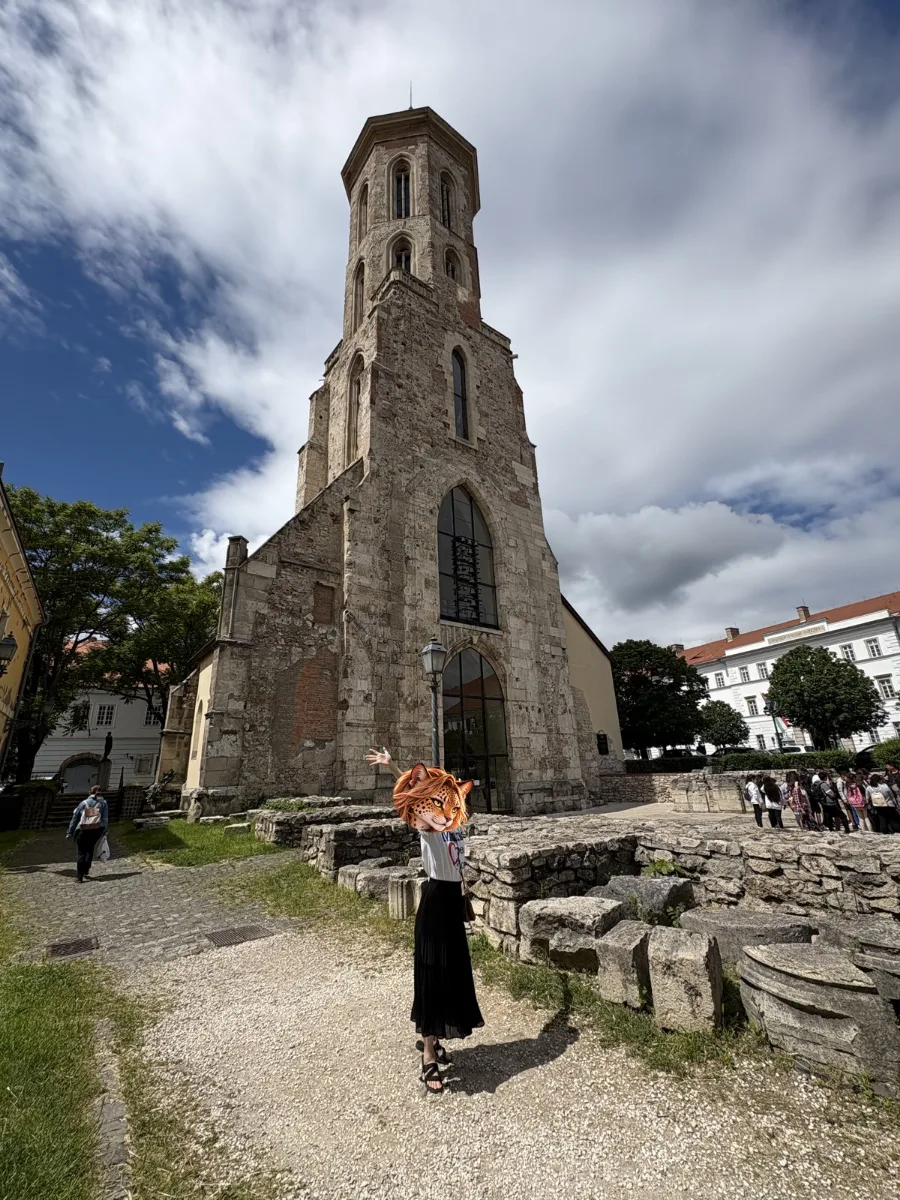
The Mária Magdolna Tower on Buda Castle Hill – the church itself was destroyed in the war, and only this Gothic bell tower remains. (Photo: TIME TRAVELER editor)
Series overview: a 12-day road trip through three countries
This is a Central Europe road trip we drove ourselves, from Austria to Hungary to Slovakia and back into Hungary, from May 23 to June 4. The series has six posts:
| Part | Dates | Where |
|---|---|---|
| 1/6 (this post) | May 23–26 | Vienna → Budapest |
| 2/6 | May 27 | Budapest highlights in one day |
| 3/6 | May 28–29 | Szentendre and Füzér Castle |
| 4/6 | May 29–30 | Košice, Slovakia |
| 5/6 | May 31–June 2 | High Tatras, Spiš Castle, Levoča |
| 6/6 | June 3–4 | Bratislava and Tihany on Lake Balaton |
Day 1–2 | Vienna: coffee, cake and two cathedrals
Starting with dessert
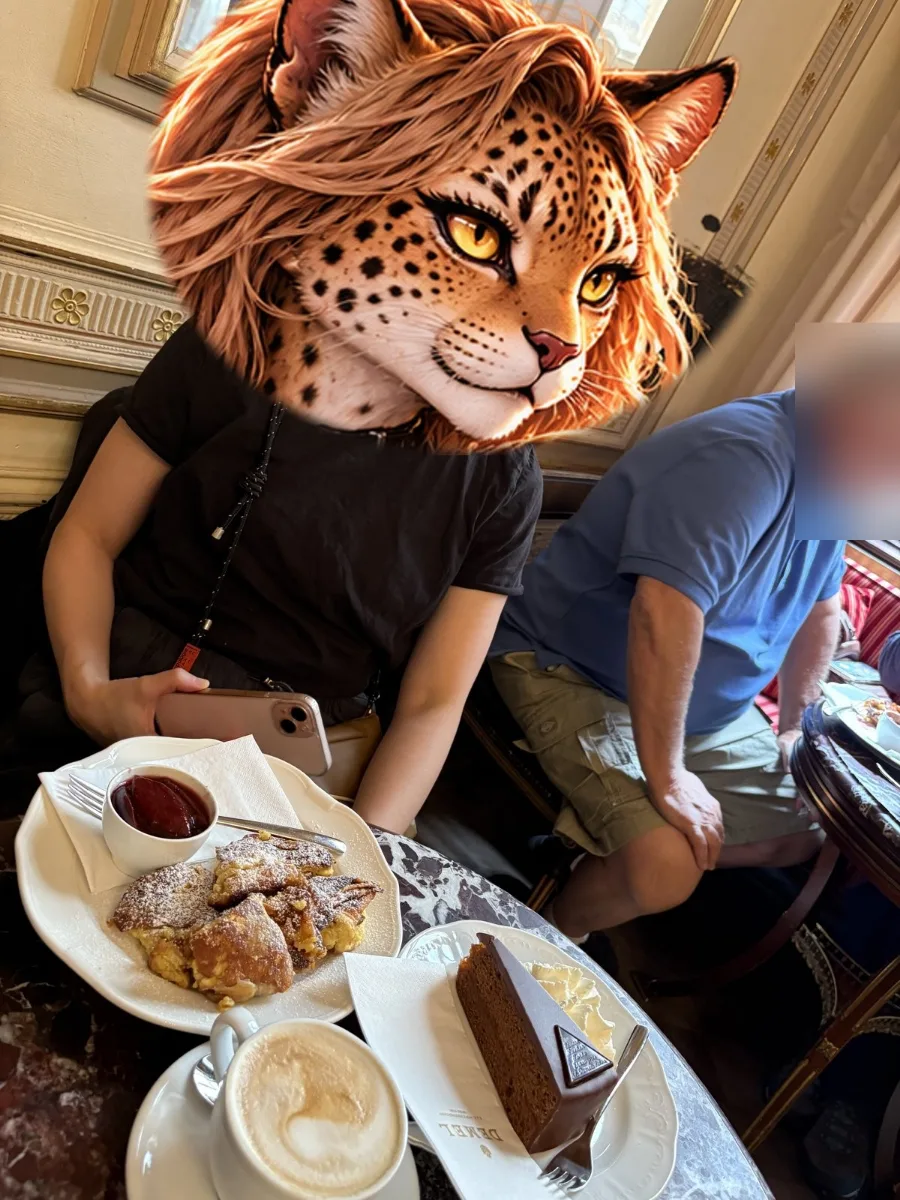
Our first breakfast in Vienna's old town: cake and a pastry with coffee. (Photo: TIME TRAVELER editor)
On the morning of May 23 we had the first dessert of the trip around Kohlmarkt in Vienna's old town. It is the old town's upscale shopping street, surrounded by long-established cafés and pastry shops. On the table were a slice of cake, a flaky pastry and a coffee – very much the Viennese café experience. Vienna's coffee house culture was added to Austria's national inventory of intangible cultural heritage in 2011, so sitting down and taking your time is the most authentic way to start. That evening we also had a dinner with a seriously big portion to fuel the long drive ahead.
Karlskirche
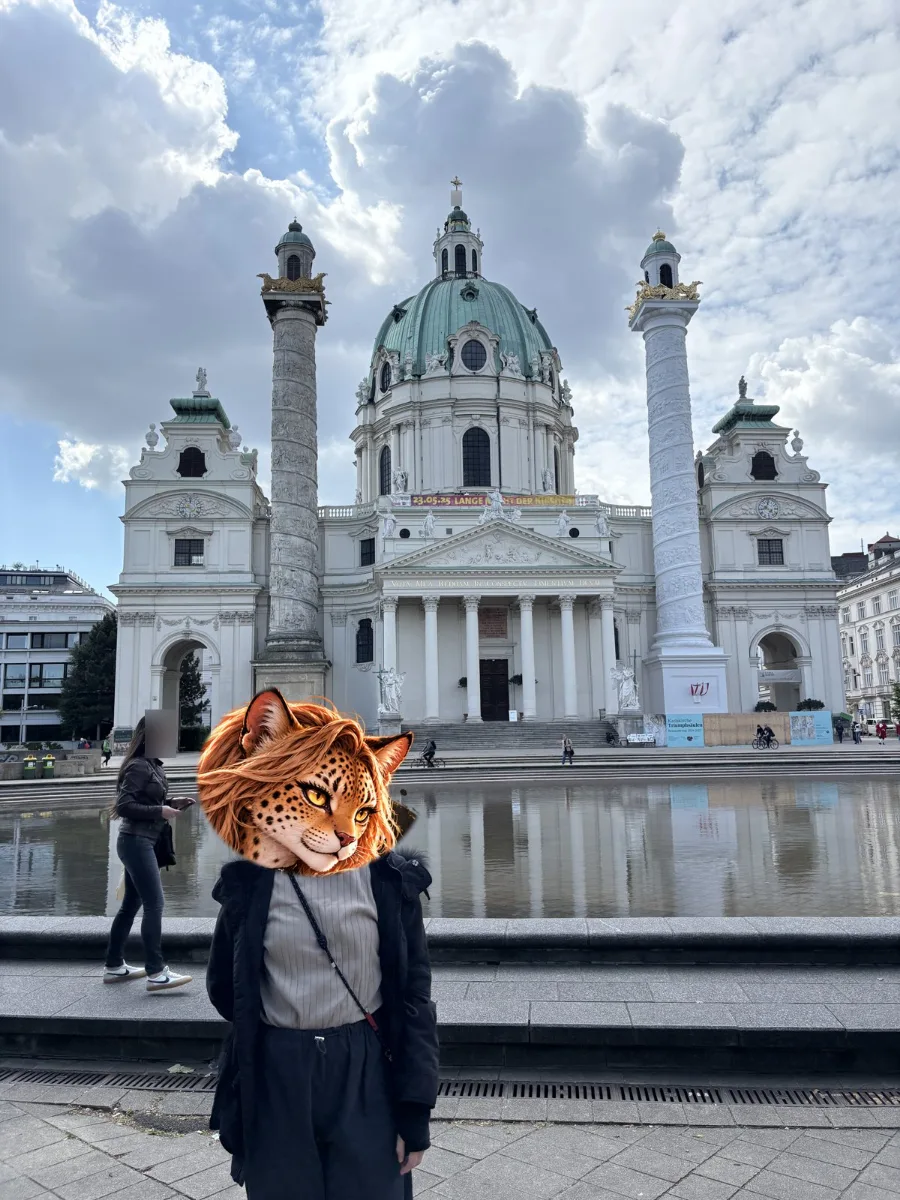
Karlskirche (St. Charles's Church): the green dome and two huge columns carved with spiral reliefs, reflected in the pool in front. (Photo: TIME TRAVELER editor)
On the morning of May 24 we first went to Karlskirche next to Karlsplatz. Emperor Charles VI of the Holy Roman Empire vowed to build it after the plague of 1713. It was designed by Johann Bernhard Fischer von Erlach and completed in 1737, and it is a landmark of Viennese Baroque. The two huge columns at the front, modelled on Trajan's Column in Rome, are carved with reliefs of the saint's life, and they are best seen in full from beside the pool.
St. Stephen's Cathedral
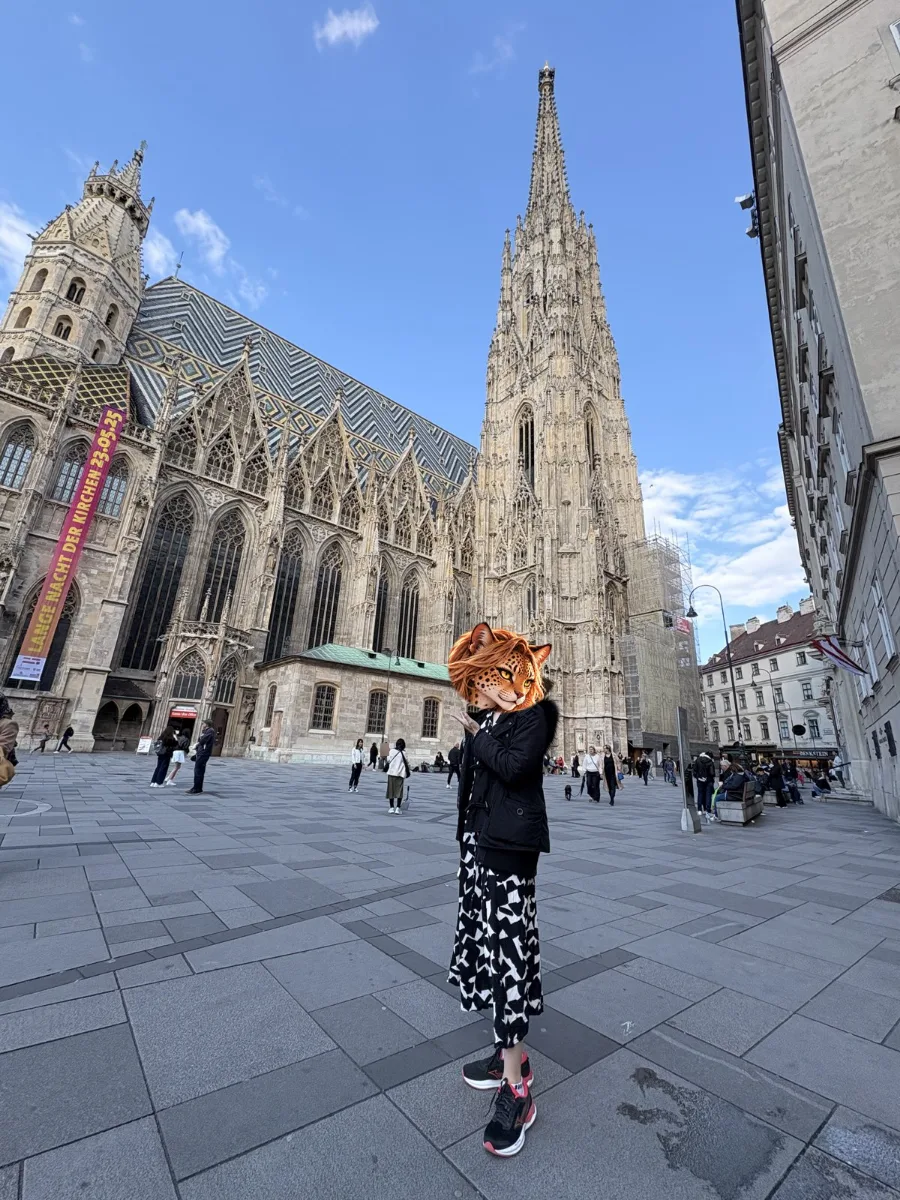
The tall south tower of St. Stephen's Cathedral (Stephansdom); the colourful roof tiles stand out against the blue sky. (Photo: TIME TRAVELER editor)
Next we walked to St. Stephen's Cathedral in the middle of the old town. This Gothic cathedral is Vienna's landmark. Its south tower is about 136 metres tall, and the roof is laid with glazed tiles in zigzag patterns and a double-headed eagle. The square in front was crowded; we took our photos and set off, driving east into Hungary.
Day 3 | Budapest: first look at the Danube
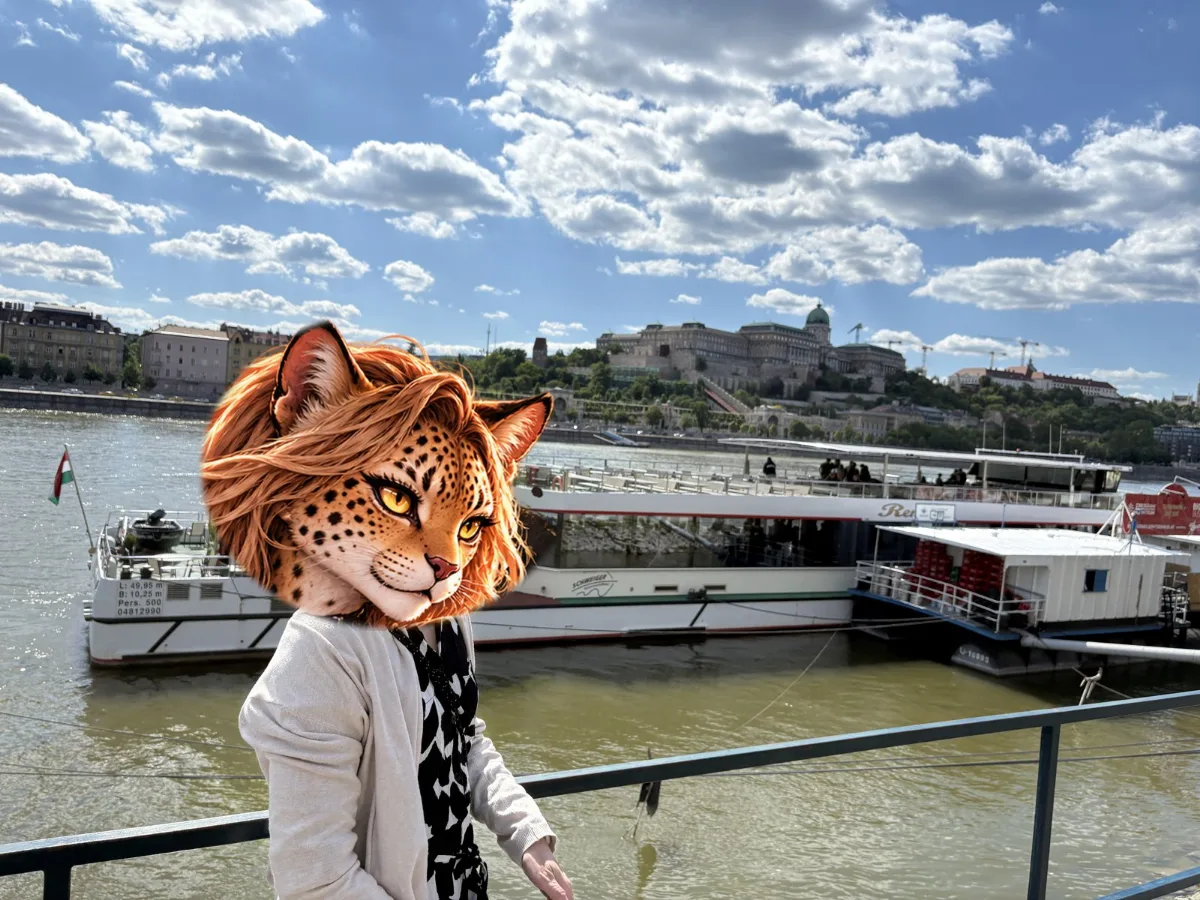
The pier on the Pest bank of the Danube, with Buda Castle on the hill across the water. (Photo: TIME TRAVELER editor)
We reached Budapest on the afternoon of May 25, and the first thing we did was walk down to the Danube. Excursion boats were moored along the Pest bank, and across the river the palace on Buda Castle Hill was in full view. The banks of the Danube and the Buda Castle quarter in Budapest were inscribed on the UNESCO World Heritage List in 1987, and just walking along the river is worth it.

The dinner table on our first evening, with white plates and candles already set out. (Photo: TIME TRAVELER editor)
In the evening we found a restaurant in central Pest and sat down with candles on the table, closing the first long leg of the drive.
Day 4 | Buda Castle Hill: Fisherman's Bastion and the Magdalene Tower
Walking up Castle Hill
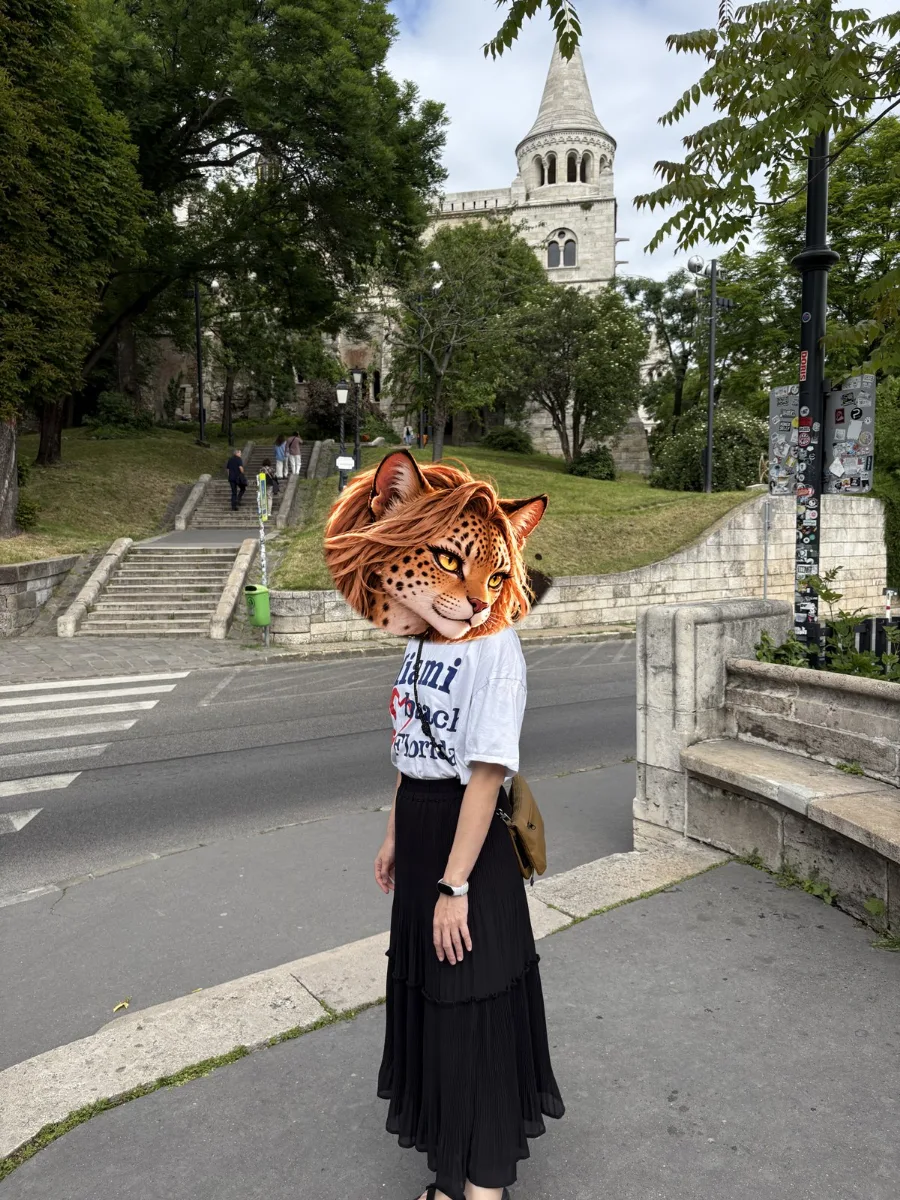
The path up Castle Hill, with the white spires on the hill in the distance. (Photo: TIME TRAVELER editor)
Early on May 26 we crossed to the Buda side and walked slowly up the slope to Castle Hill. The hill has kept its medieval street layout, and besides the Royal Palace, sights such as Matthias Church and Fisherman's Bastion are all within walking distance.
Fisherman's Bastion

The white stone gallery of Fisherman's Bastion; through the arched windows you can see the Danube and Pest. (Photo: TIME TRAVELER editor)
Fisherman's Bastion (Halászbástya) was built between 1895 and 1902 and designed by the architect Frigyes Schulek. Despite the name, it is actually a Neo-Romanesque viewing terrace. Its seven turrets represent the seven Magyar tribes that settled the Carpathian Basin, and from the arched windows the Parliament building and the Danube are right in front of you.
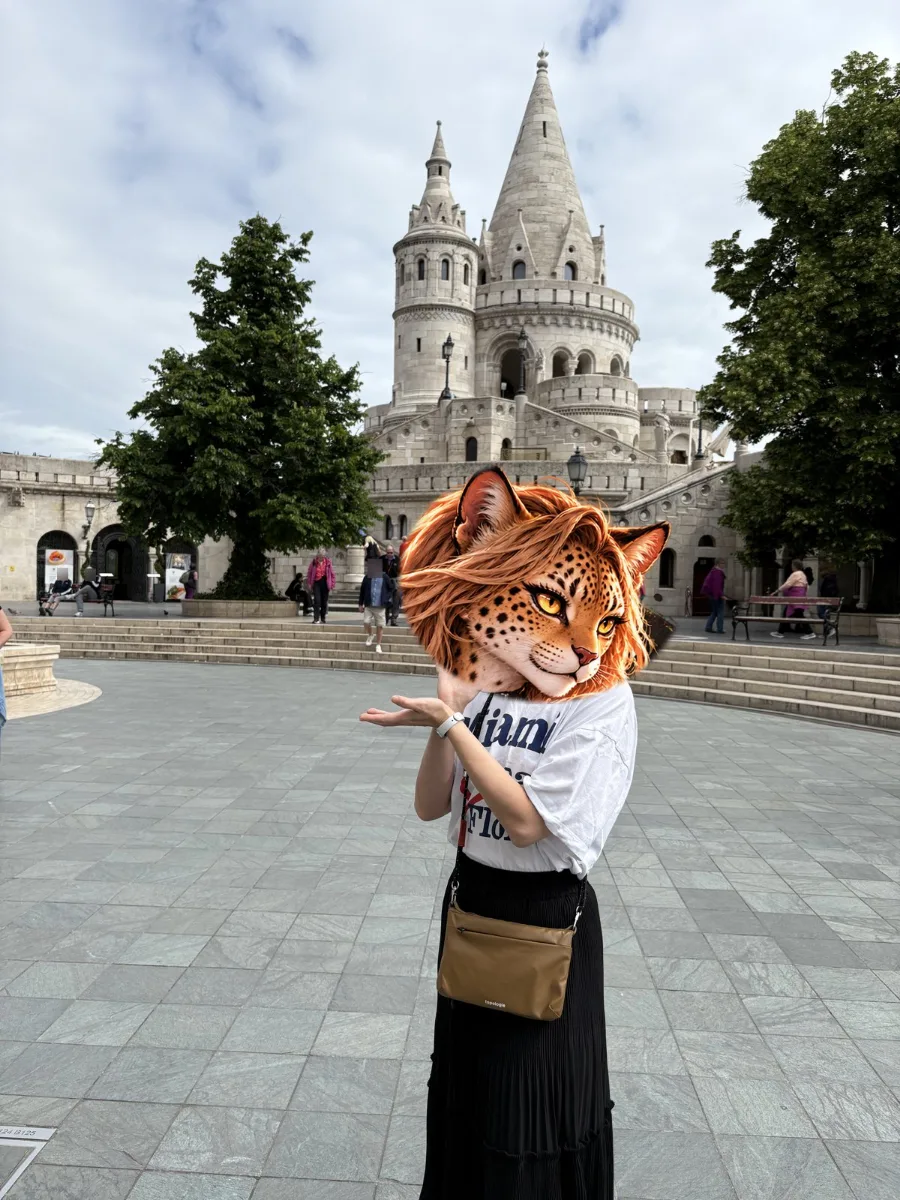
The pointed turrets of Fisherman's Bastion – in the sun the white stone looks like a fairy-tale castle. (Photo: TIME TRAVELER editor)
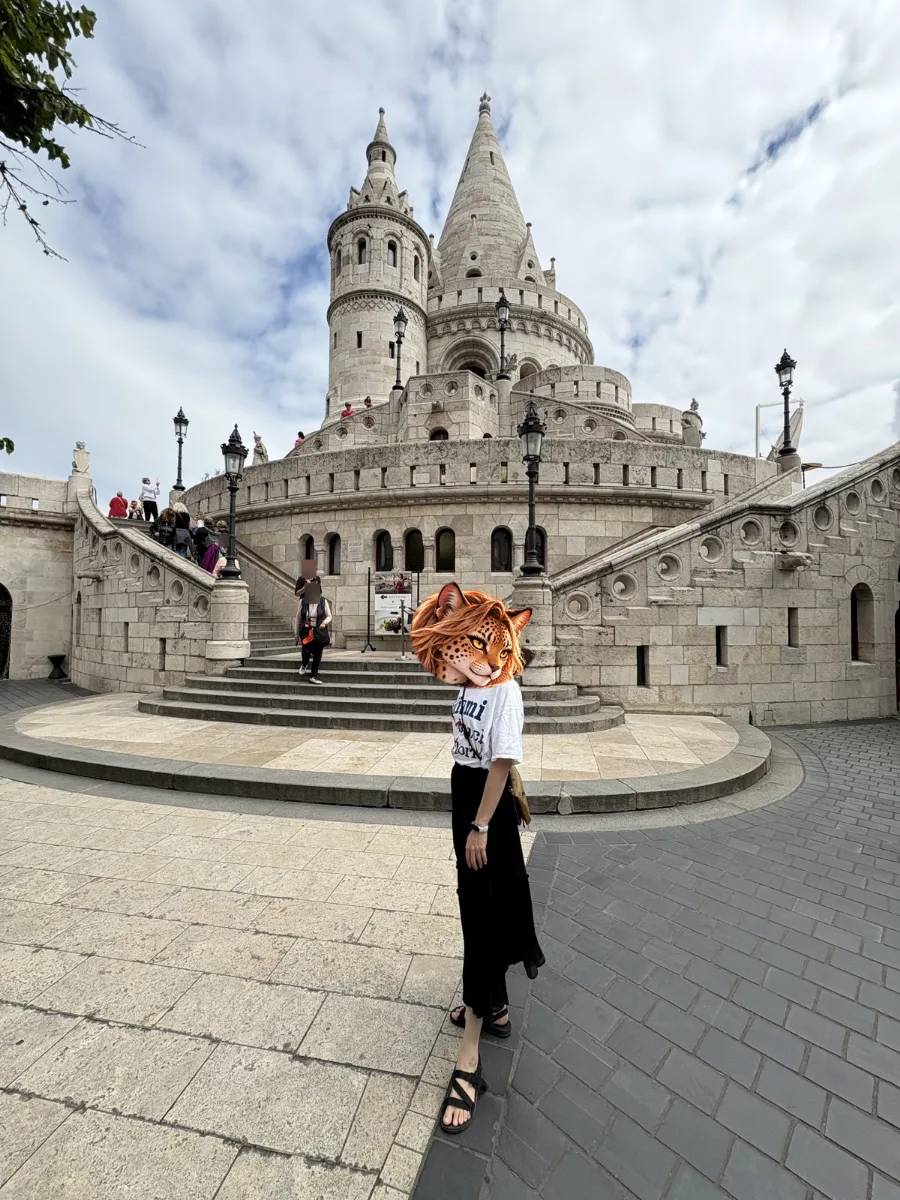
Looking up at Fisherman's Bastion from the square below, with stairs and towers layered on top of each other. (Photo: TIME TRAVELER editor)
The lower gallery of Fisherman's Bastion is free to walk, while some parts of the upper level need a ticket. We recommend going in the morning, when it is less crowded and easier to take photos.
The Magdalene Tower
The lonely tower on the cover photo is the Mária Magdolna Tower on the north side of Castle Hill. A church was built here in the 13th century, but it was bombed in World War II and only the bell tower survived. You can still see the remaining wall bases and window frames next to it, a sharp contrast with the splendour of Fisherman's Bastion.

The viewing platform on Castle Hill, looking down on red roofs and the Pest side across the Danube. (Photo: TIME TRAVELER editor)
After Castle Hill we lingered a while on the viewing platform, watching the red roofs and the Danube while getting ready for the Budapest highlights day tomorrow.
Practical tips from our drive
- Electronic road tolls: motorways in Austria, Hungary and Slovakia all require an electronic toll to be bought in advance (the Austrian vignette, Hungarian e-matrica and Slovak e-známka). All three can be bought on the official websites and are registered to your licence plate, so no sticker is needed.
- Cross-border car rental: before you set off, confirm with the rental company which countries you may drive into, as some charge an extra cross-border fee.
- You can compare cross-border car rental options on Trip.com.
- Castle Hill access: traffic on Castle Hill is restricted for ordinary vehicles. We suggest parking at the foot of the hill and walking, or taking the funicular or a bus up.
- Parking in Vienna: most of the old town is short-stay paid parking, so check how to park before you book your accommodation.
- Hotels: Find Vienna hotels on Trip.com · Find Budapest hotels on Trip.com
All posts in the series: 2/6, 3/6, 4/6, 5/6, 6/6
--- Image credit: all photos in this article were taken by the TIME TRAVELER editor; faces of people are covered with the editor's original character stickers.
Travel info and affiliate disclosure: the Trip.com links in this article are affiliate links. If you browse or book through them, this site may earn a commission under the platform's rules, at no extra cost to you. Toll rules, opening hours and transport information can change, so please check the latest official information.
Sources and notes
[Sources and notes] Last verified 2026-10-31 - Dates and places: photo timestamps and location data - Karlskirche: built after the 1713 plague at the vow of Charles VI, designed by Fischer von Erlach, completed 1737 - St. Stephen's Cathedral south tower: about 136 m - Viennese coffee house culture: added to Austria's intangible heritage inventory in 2011 - Fisherman's Bastion: 1895–1902, designed by Frigyes Schulek - Banks of the Danube and Buda Castle Quarter: UNESCO World Heritage Site since 1987 - Electronic tolls: Austrian vignette, Hungarian e-matrica, Slovak e-známka, all bought on official sites and registered to the licence plate - All photos were taken by the editor; faces are covered with original character stickers - Opening hours and tickets may change; check official information before you go - Hotel links are Trip.com affiliate links
Verified on:2026-10-31
Comments (0)
No comments yet.
Comments are published first and reviewed afterwards; rule-breaking comments are hidden. Only signed-in members can comment.