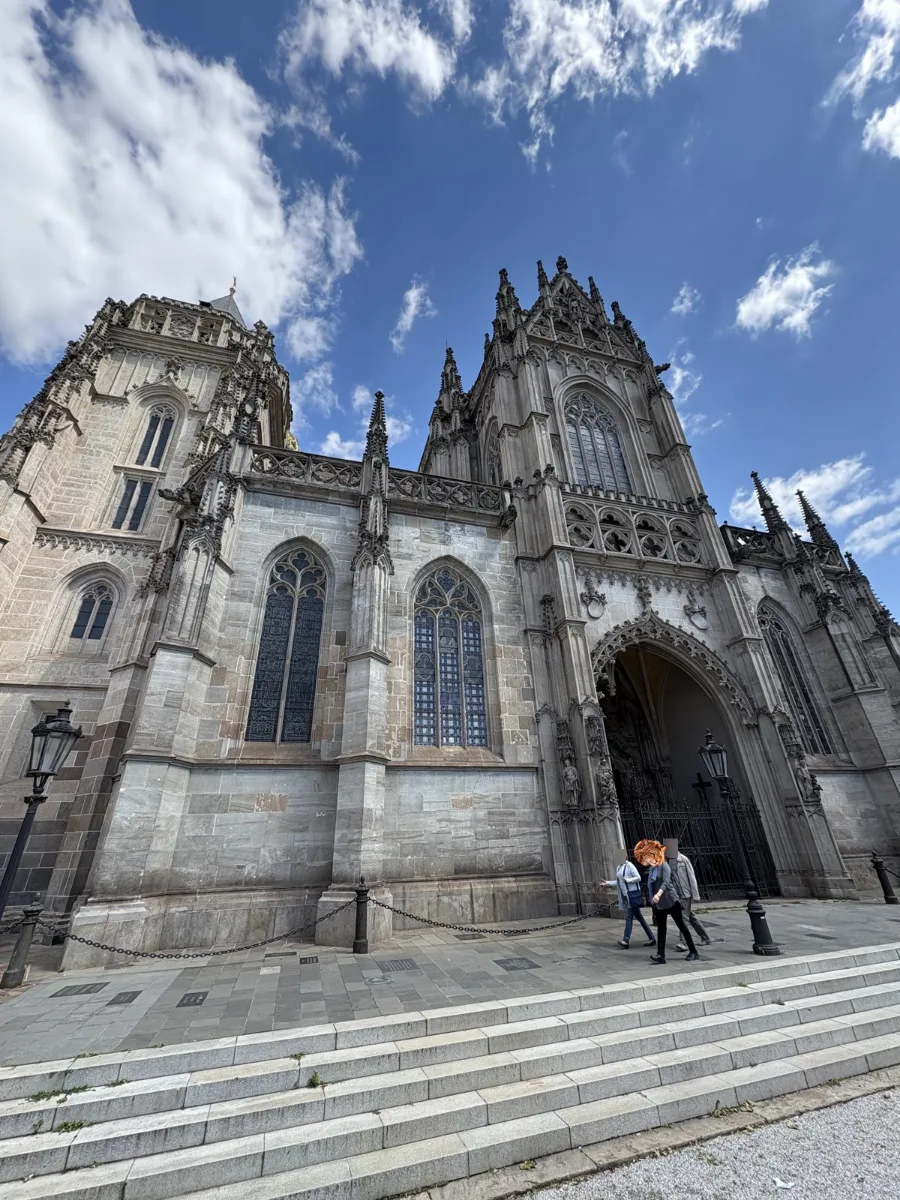
Central Europe Road Trip 4/6: Košice, Slovakia – St. Elisabeth Cathedral, Singing Fountain
Part 4 of our Central Europe road trip takes us to Košice, Slovakia's second-largest city: the country's largest Gothic cathedral, the Singing Fountain, a black dragon sculpture and plague column on the main street, and Jakab's Palace, which looks like a fairy-tale castle.
This article was submitted by a member. Views and content are the author’s own and do not represent this site.
This article contains commercial links (affiliate or paid) that may earn the author a commission.
The Gothic façade and spires of St. Elisabeth Cathedral (Dóm svätej Alžbety) in Košice. (Photo: TIME TRAVELER editor)
In the last post we drove from Szentendre to Füzér Castle in the northeast corner of Hungary (Central Europe Road Trip 3/6: Szentendre & Füzér Castle). In the evening we crossed the border and arrived in Košice, in eastern Slovakia.
Itinerary overview (May 29–30)
| Date | Time | Place |
|---|---|---|
| May 29 | Evening | Arrive in Košice, dinner in the old town |
| May 30 | Morning | St. Elisabeth Cathedral, the main street |
| May 30 | Noon | Around Jakab's Palace |
| May 30 | Afternoon | Lunch in the old town, then on to the High Tatras |
What kind of city is Košice?
Košice is Slovakia's second-largest city and the centre of eastern Slovakia. The old town is organised around one north–south main street (Hlavná ulica), where the churches, theatre, fountain and colourful old buildings are all concentrated. In 2013 Košice was named a European Capital of Culture together with Marseille in France. The old town has been renovated and is very pleasant to walk, yet it has far fewer tourists than Bratislava.
Day 1 | Arriving in the evening, dinner in the old town
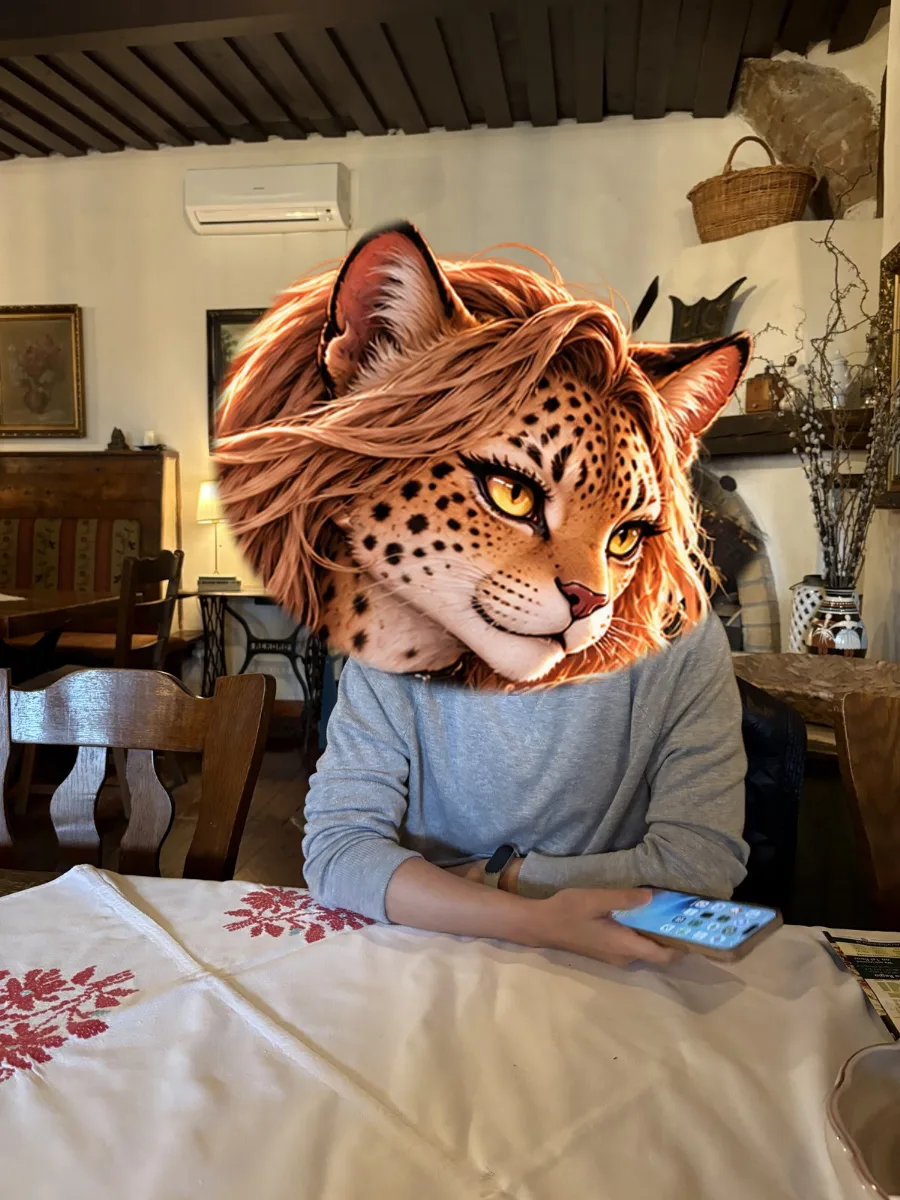
A restaurant in the old town with a wooden ceiling and embroidered tablecloths – very Eastern European. (Photo: TIME TRAVELER editor)
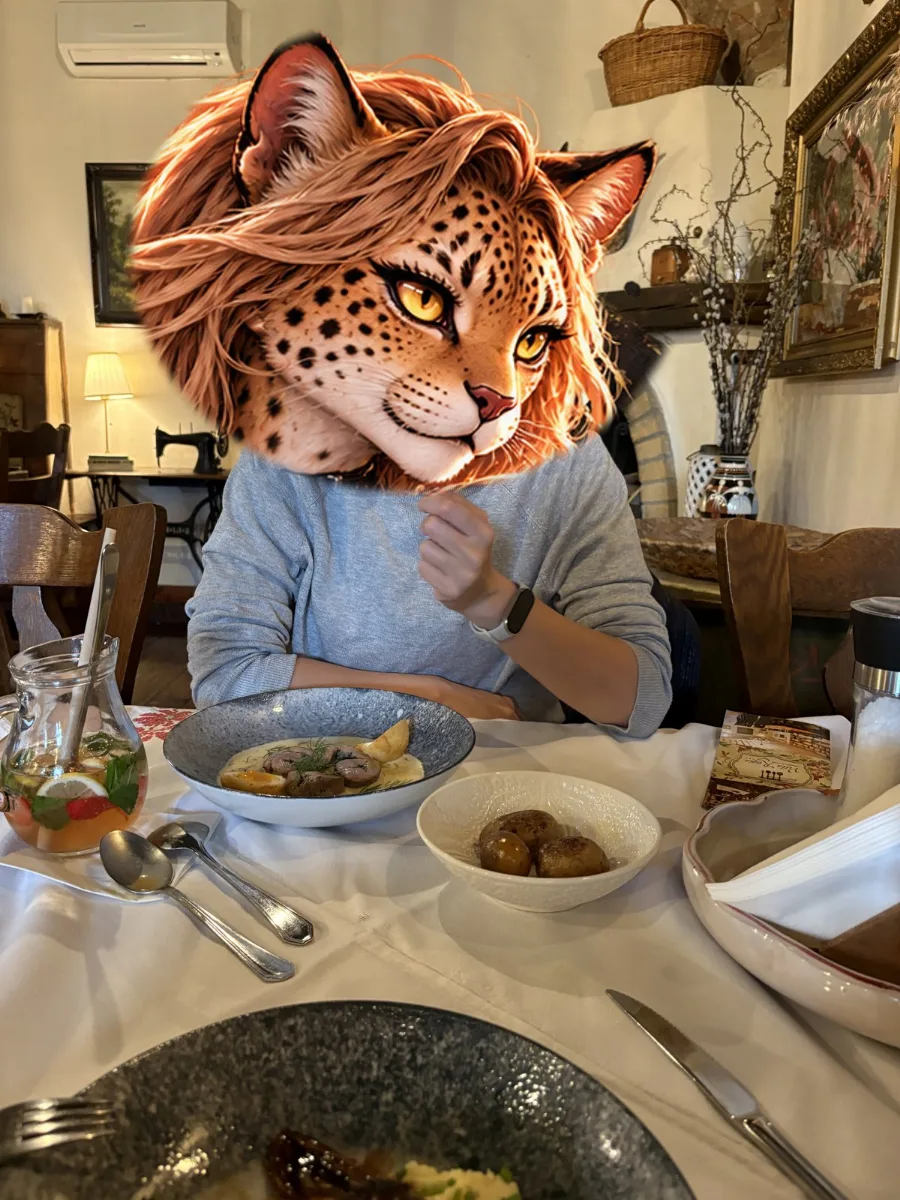
Soup and a main course on the dinner table. (Photo: TIME TRAVELER editor)
After arriving on the evening of May 29 we parked the car and walked straight into the old town to find dinner. The restaurant had a wooden ceiling and paintings on the walls, with red patterns embroidered on the tablecloths, and the tiredness of the long drive melted away in a bowl of hot soup.
Day 2 | St. Elisabeth Cathedral
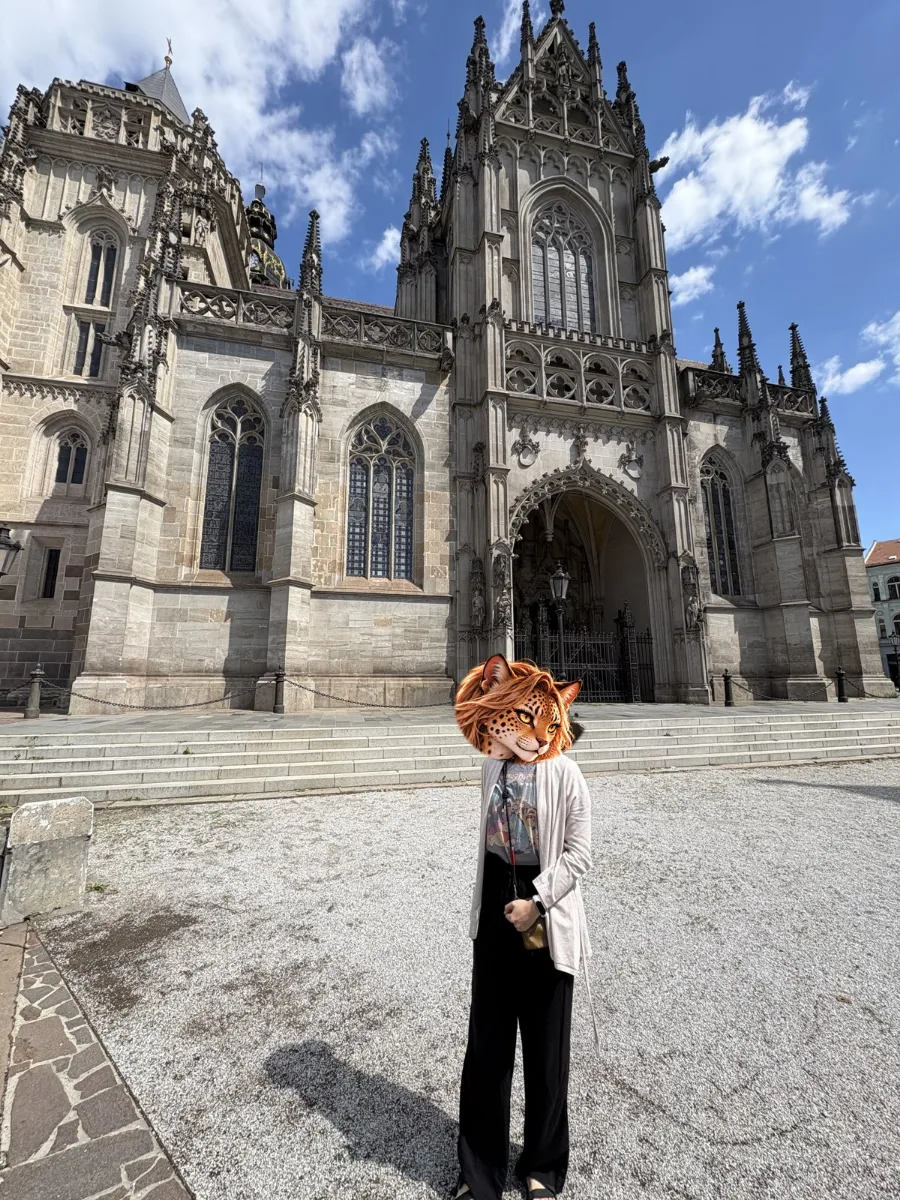
The front of the cathedral; the square before it is open, so the whole church fits in the frame. (Photo: TIME TRAVELER editor)
A little after 10 a.m. on May 30 we reached St. Elisabeth Cathedral in the middle of the main street. Construction began in the late 14th century, and it is the largest church in Slovakia and one of the easternmost large Gothic cathedrals in Europe. The church is named after St. Elisabeth of Hungary, and the spires, flying buttresses and fine stone carving on the exterior reward a long look. Beside the cathedral stand the separate St. Urban's Tower and St. Michael's Chapel, forming a whole group of medieval buildings.
Between the cathedral and the State Theatre is the famous Singing Fountain (Spievajúca fontána), which sprays water in time with music on the hour and is a favourite resting spot for locals.
A stroll along the main street: the black dragon and the plague column
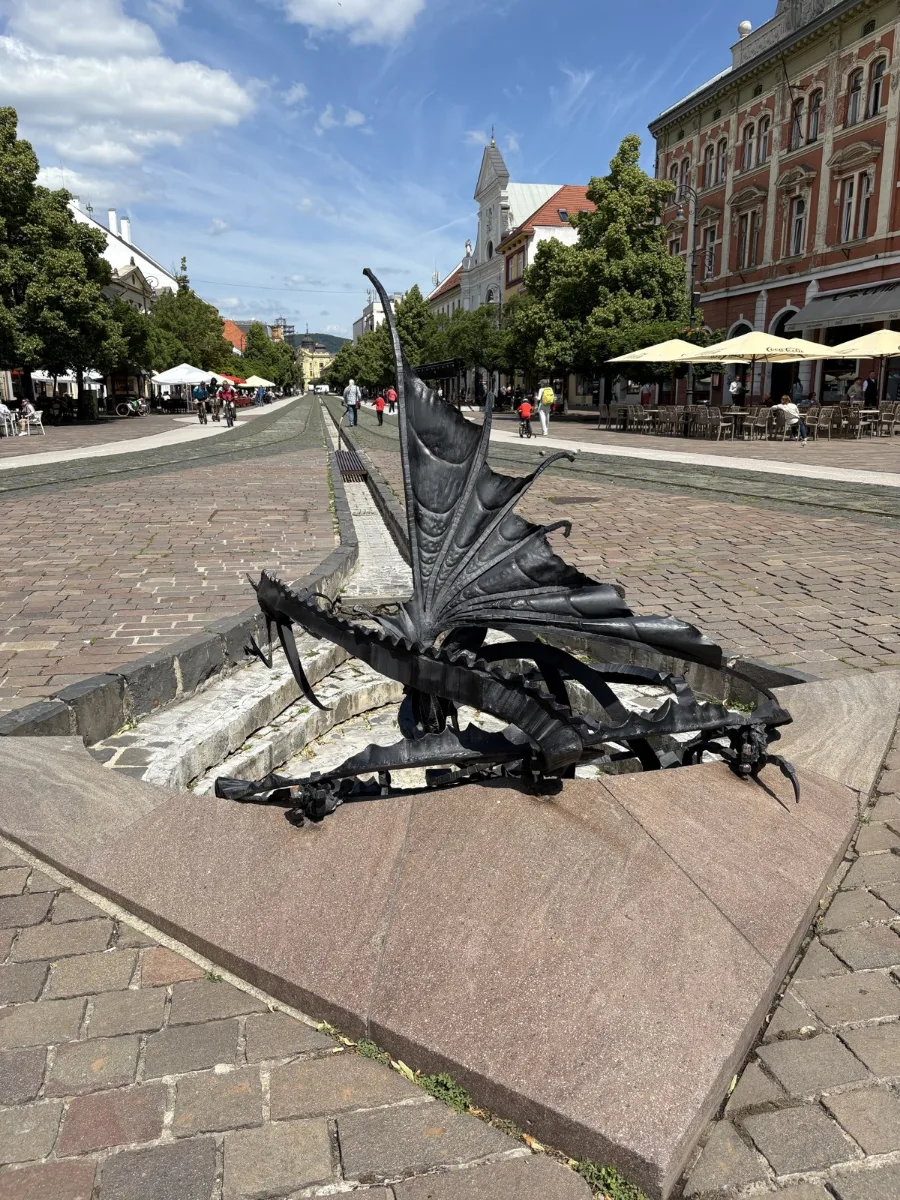
A black metal dragon sculpture on the main street, crouching in a shallow pool. (Photo: TIME TRAVELER editor)
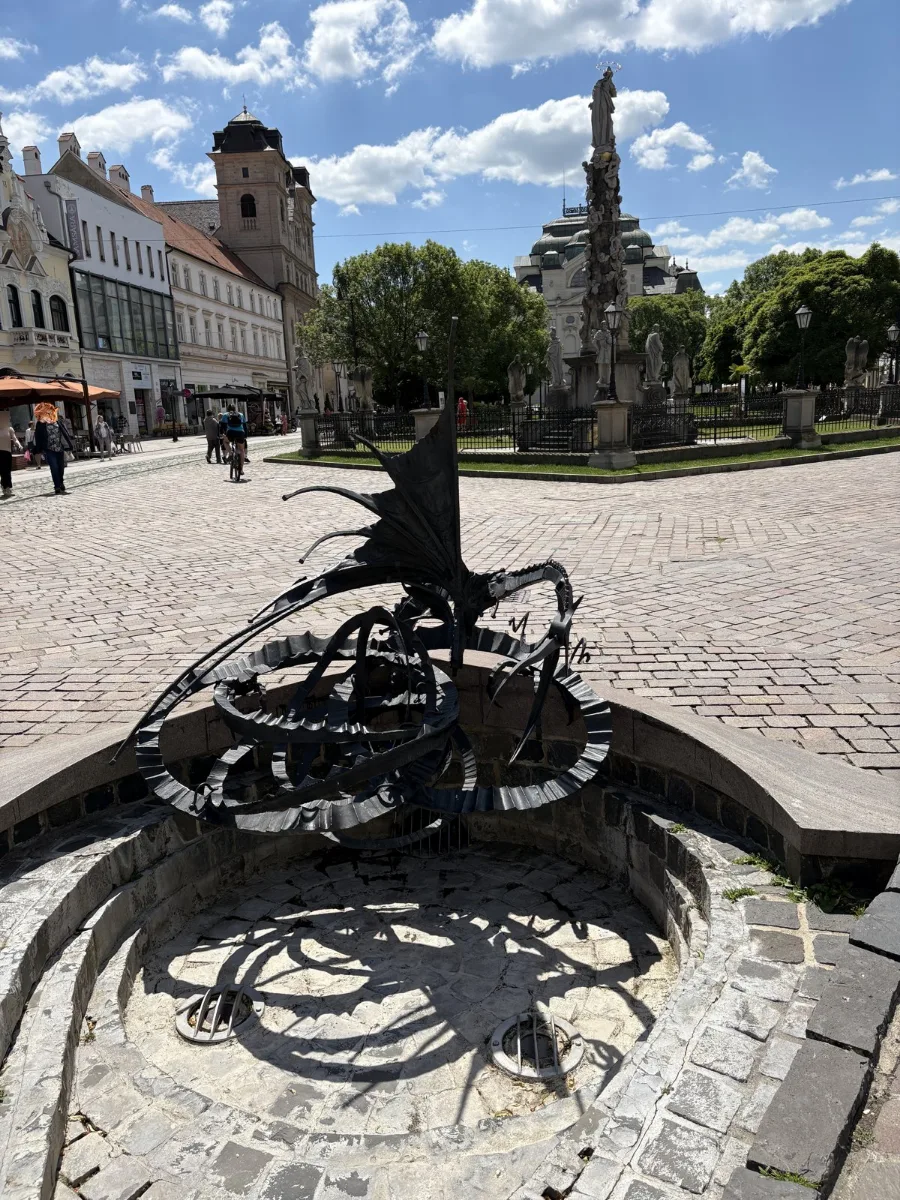
Behind the dragon sculpture, in the distance, is the plague column on the main street. (Photo: TIME TRAVELER editor)
Walking north along the main street, we found an eye-catching black metal sculpture with spread wings in a shallow pool in the middle of the road, and we stopped to take quite a few photos. Looking back, you can see the plague column (Morový stĺp) on the main street. This Baroque column was erected in the early 18th century to give thanks for the city surviving the plague, and it is topped by a statue of the Virgin Mary.
Jakab's Palace: a private house that looks like a fairy-tale castle
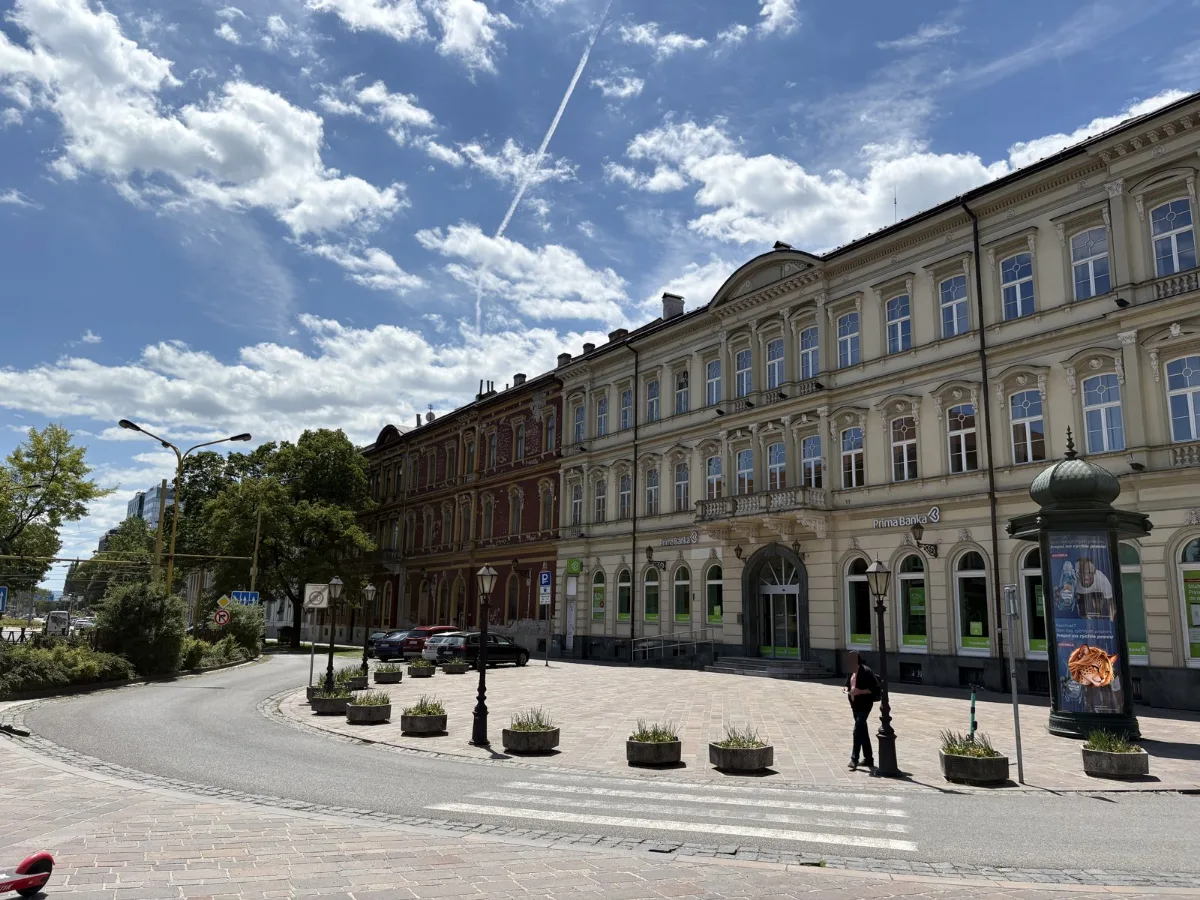
The street and square on the east side of the old town, lined with classical-style buildings. (Photo: TIME TRAVELER editor)
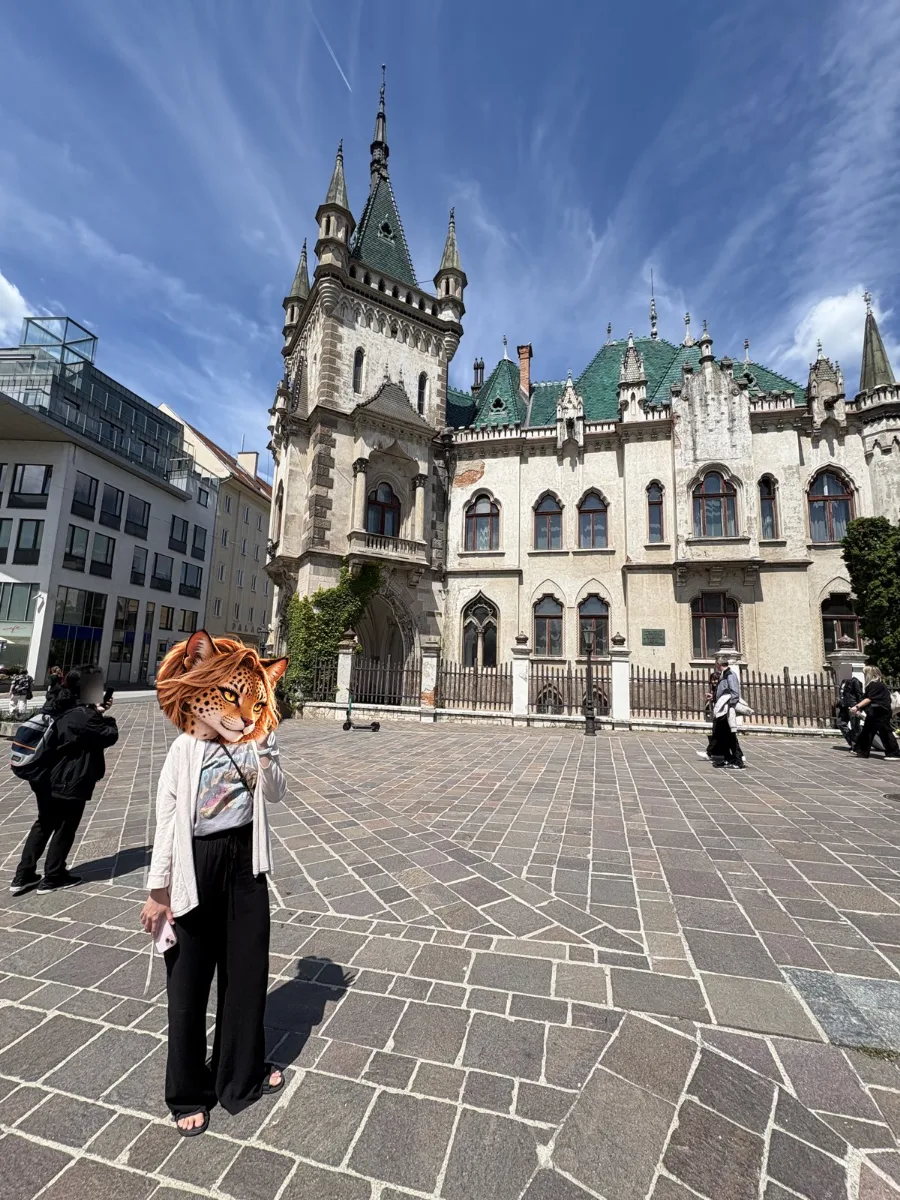
The spires and green roof of Jakab's Palace (Jakabov palác), which looks like a castle from a fairy tale. (Photo: TIME TRAVELER editor)
A few minutes' walk east of the main street you see this building with spires – Jakab's Palace. The architect Árpád Jakab built it as his own home in 1899, reportedly using old stone replaced during the renovation of the cathedral, which gives it a strong Neo-Gothic look. In 1945 Czechoslovak President Beneš briefly lived here, adding another layer of history to the house.
After lunch, on the road
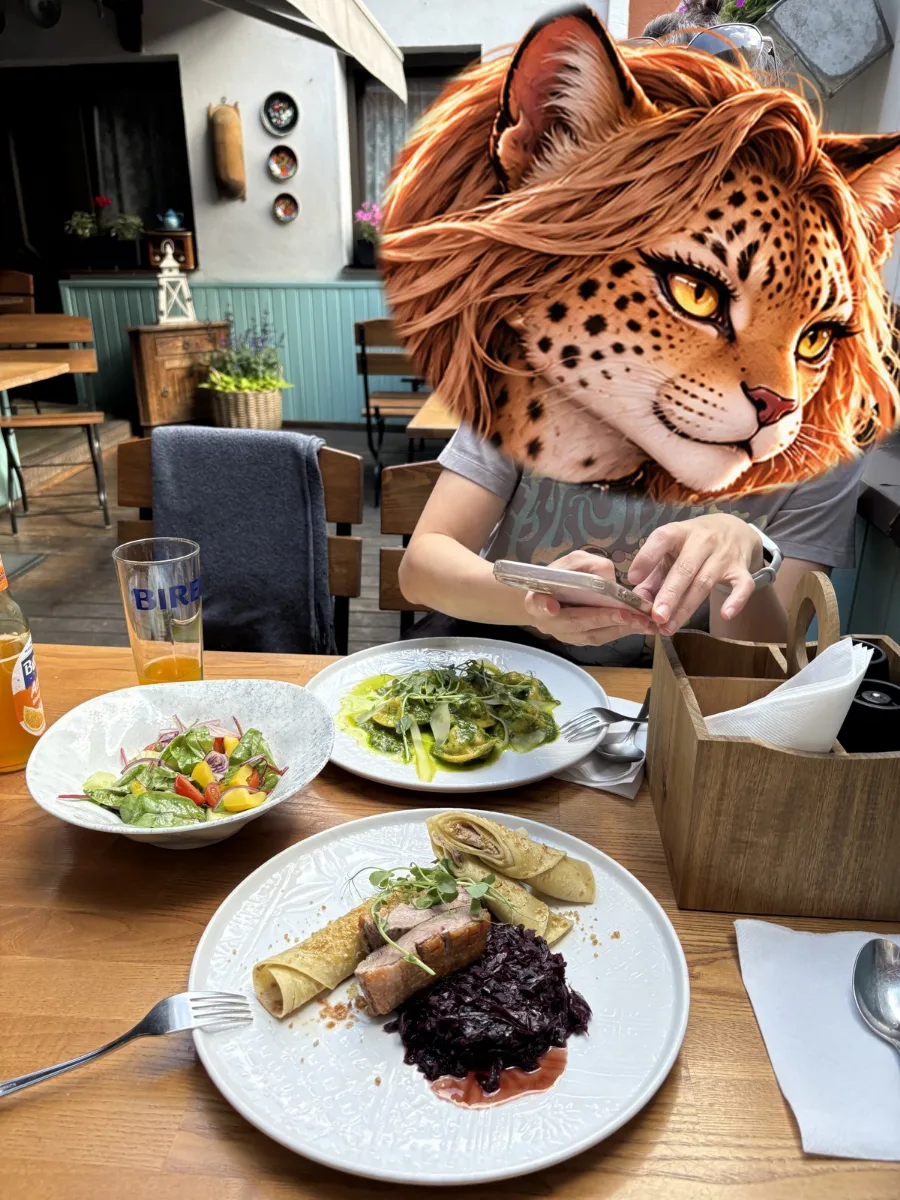
Lunch in the old town: salad, a wrap and red cabbage. (Photo: TIME TRAVELER editor)
In the afternoon we went back to the old town for a late lunch of fresh salad, a wrap and a portion of red cabbage. After eating we headed north for the mountain highlight of the trip – the High Tatras.
Practical tips
- Parking: the main street of Košice's old town is a pedestrian zone, so park in a paid car park or a roadside bay on the edge of the old town. In most Slovak cities you can pay for parking with a phone app or by SMS.
- Singing Fountain: in summer there is usually a light and music show in the evening; check local announcements for times.
- Currency: Slovakia uses the euro and Hungary uses the forint, so have two ways to pay when you cross the border; most places accept cards.
- Slovak motorways: buy the e-známka electronic toll in advance; it is registered to your licence plate.
- Hotels: Find Košice hotels on Trip.com
Previous post: Central Europe Road Trip (3/6) | Szentendre + Füzér Castle: an Artists' Town on the Danube and a Hilltop Castle in Hungary Next post: Central Europe Road Trip (5/6) | High Tatras + Spiš Castle + Levoča: a Cable Car up Lomnický Štít, a World Heritage Castle and a Renaissance Town
--- Image credit: all photos in this article were taken by the TIME TRAVELER editor; faces of people are covered with the editor's original character stickers.
Travel info and affiliate disclosure: the Trip.com hotel link in this article is an affiliate link. If you browse or book through it, this site may earn a commission under the platform's rules, at no extra cost to you. Opening hours, tickets and transport information can change, so please check the latest official information.
Sources and notes
[Sources and notes] Last verified 2026-10-31 - Dates and places: photo timestamps and location data - St. Elisabeth Cathedral: begun in the late 14th century, the largest church in Slovakia - Košice: European Capital of Culture 2013 (shared with Marseille) - Plague column: 1720–1723 - Jakab's Palace: built in 1899 by Árpád Jakab with stone from the cathedral's renovation; President Beneš stayed briefly in 1945 - All photos were taken by the editor; faces are covered with original character stickers - Opening hours, tickets and transport may change; check official information before you go - The hotel link is a Trip.com affiliate link
Verified on:2026-10-31
Comments (0)
No comments yet.
Comments are published first and reviewed afterwards; rule-breaking comments are hidden. Only signed-in members can comment.