Central Europe Road Trip 5/6: High Tatras, Spiš Castle & Levoča – Cable Car up Lomnický Štít
Part 5 of our Central Europe road trip, the Slovak mountain chapter: an evening walk at Štrbské Pleso, the cable car from Tatranská Lomnica via Skalnaté Pleso up Lomnický Štít (2,634 m), then Spiš Castle, one of Central Europe's largest castle ruins, and Levoča's Renaissance town hall.
This article was submitted by a member. Views and content are the author’s own and do not represent this site.
This article contains commercial links (affiliate or paid) that may earn the author a commission.
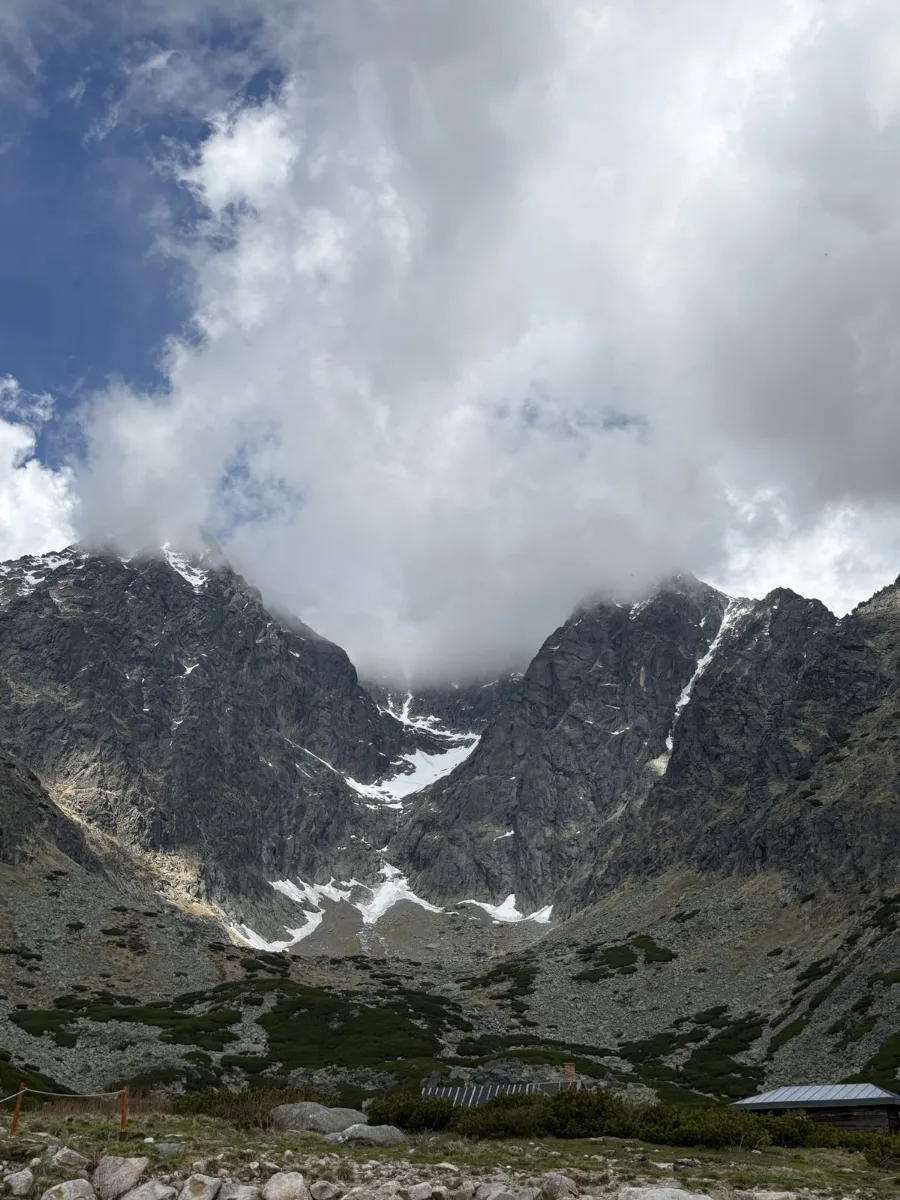
The rocky peaks of the High Tatras (Vysoké Tatry); at the end of May there is still snow on the summits and clouds drift between the ridges. (Photo: TIME TRAVELER editor)
In the last post we explored Košice in eastern Slovakia (Central Europe Road Trip 4/6: Košice, Slovakia). This post heads north into the High Tatras, the most spectacular stretch of the whole road trip.
Itinerary overview (May 31–June 2)
| Date | Place | Highlights |
|---|---|---|
| May 31 evening | Štrbské Pleso | A walk by the lake |
| June 1 | Tatranská Lomnica, Skalnaté Pleso, Lomnický Štít | Cable car to the summit |
| June 2 morning | Spiš Castle | World Heritage castle ruins |
| June 2 afternoon | Levoča | Renaissance town hall, St. James's Church |
About the High Tatras
The High Tatras are the highest section of the Carpathian Mountains and straddle the Slovak–Polish border. The highest peak, Gerlachovský štít, is 2,655 metres above sea level. On the Slovak side, the Tatra National Park (TANAP) was founded in 1949 as Slovakia's first national park. The resort towns at the foot of the mountains are linked by roads and a mountain tram, so they are very convenient to reach by car.
Day 1 | Štrbské Pleso in the evening
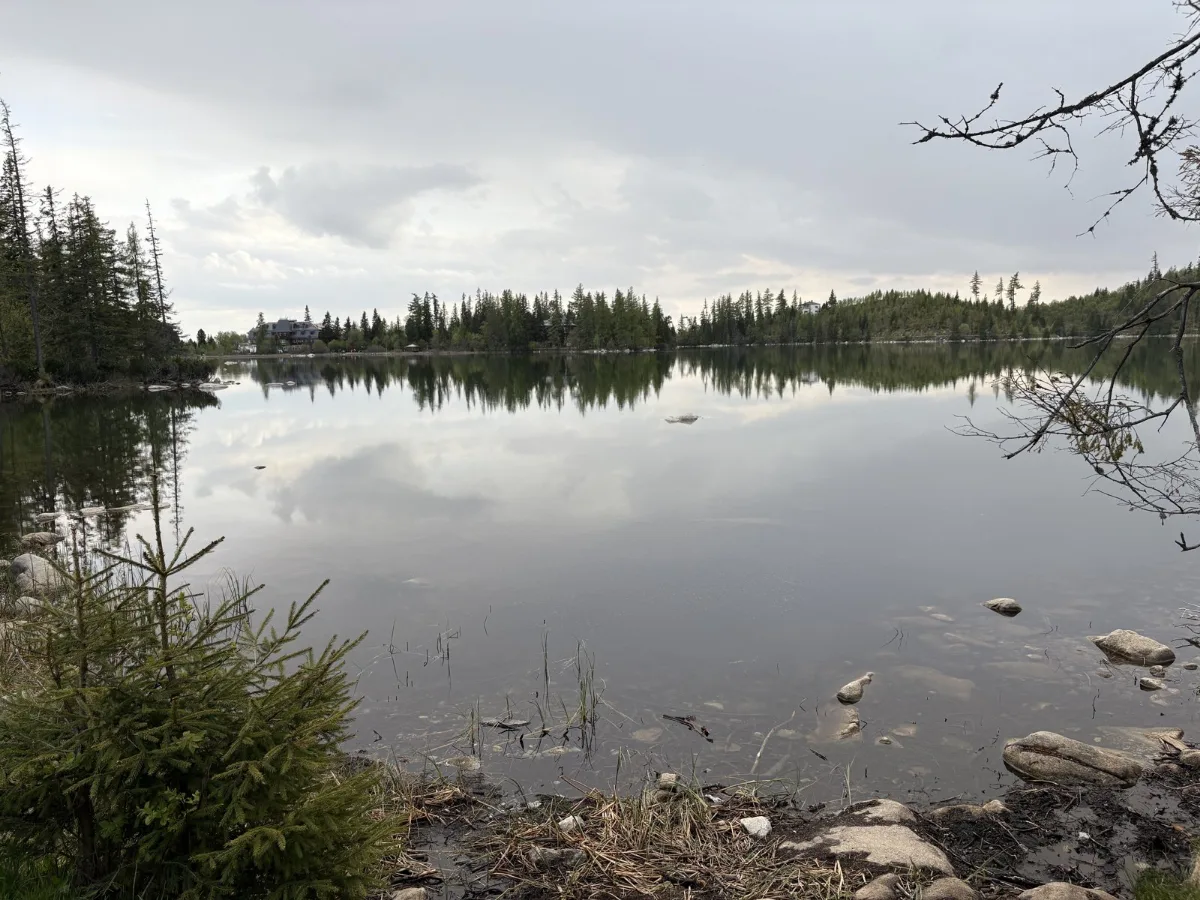
The calm surface of Štrbské Pleso, reflecting the forest on the far shore and the sky. (Photo: TIME TRAVELER editor)
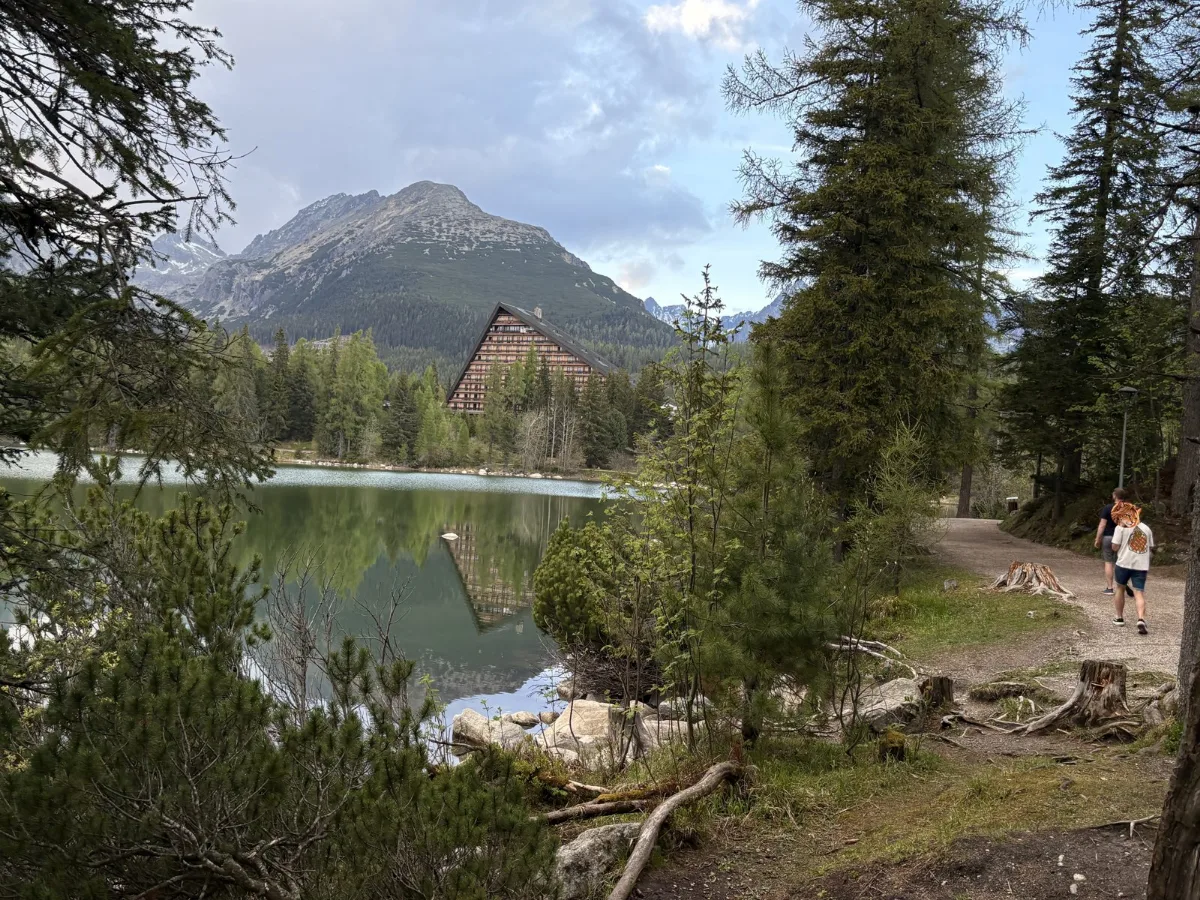
The lakeside path, with pointed peaks in the distance and hotel buildings by the lake visible among the trees. (Photo: TIME TRAVELER editor)
We reached Štrbské Pleso after 7 p.m. on May 31. This glacial lake lies at about 1,346 metres and is one of the best-known lakes in the High Tatras. A gentle path circles the lake, and in the evening the water was very quiet, with only a few strolling visitors.
Day 2 | By cable car up Lomnický Štít
Setting out from Tatranská Lomnica
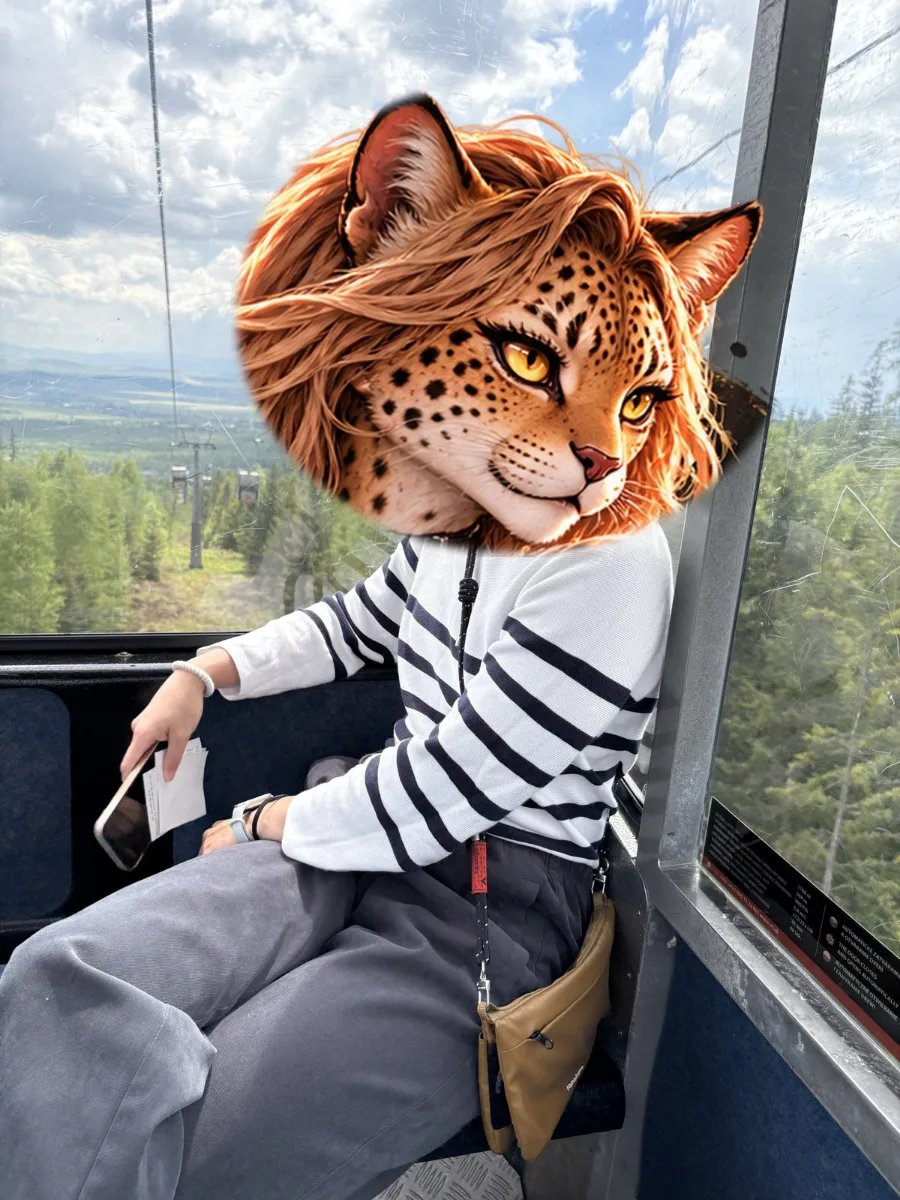
A cable car cabin climbing, with a coniferous forest outside the window. (Photo: TIME TRAVELER editor)
June 1 was the highlight of the trip. We took the cable car up from Tatranská Lomnica at the foot of the mountain, first to Skalnaté Pleso at about 1,751 metres, then changed to another cable car all the way up to Lomnický Štít at 2,634 metres. Lomnický Štít is the second-highest peak in the High Tatras, with a weather station and an observatory on the summit. The cable car goes right up and it is one of the highest points ordinary visitors can reach. The summit cable car carries very few people per trip, with limited departures and places, so in the high season you must book early.
Skalnaté Pleso
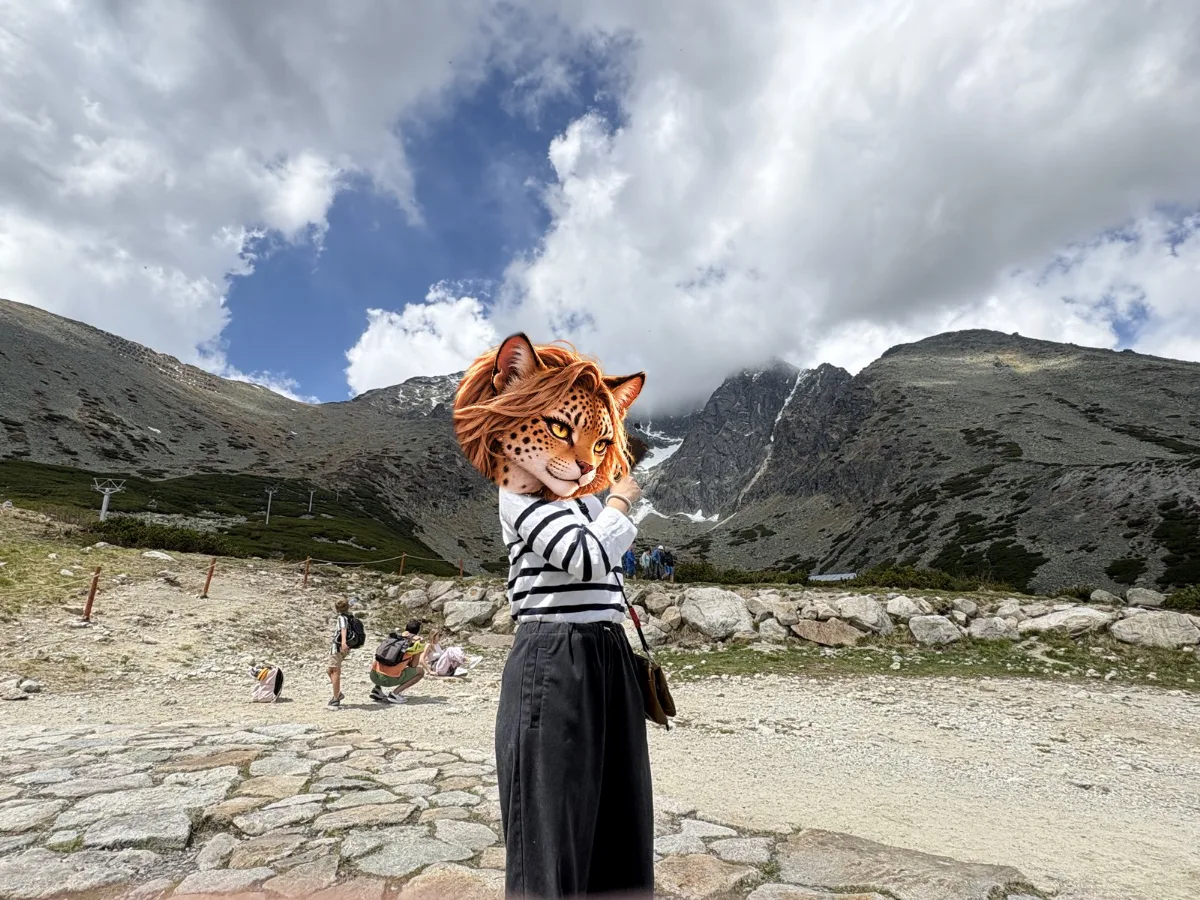
The alpine scree terrain around Skalnaté Pleso, with layers of rocky peaks behind. (Photo: TIME TRAVELER editor)
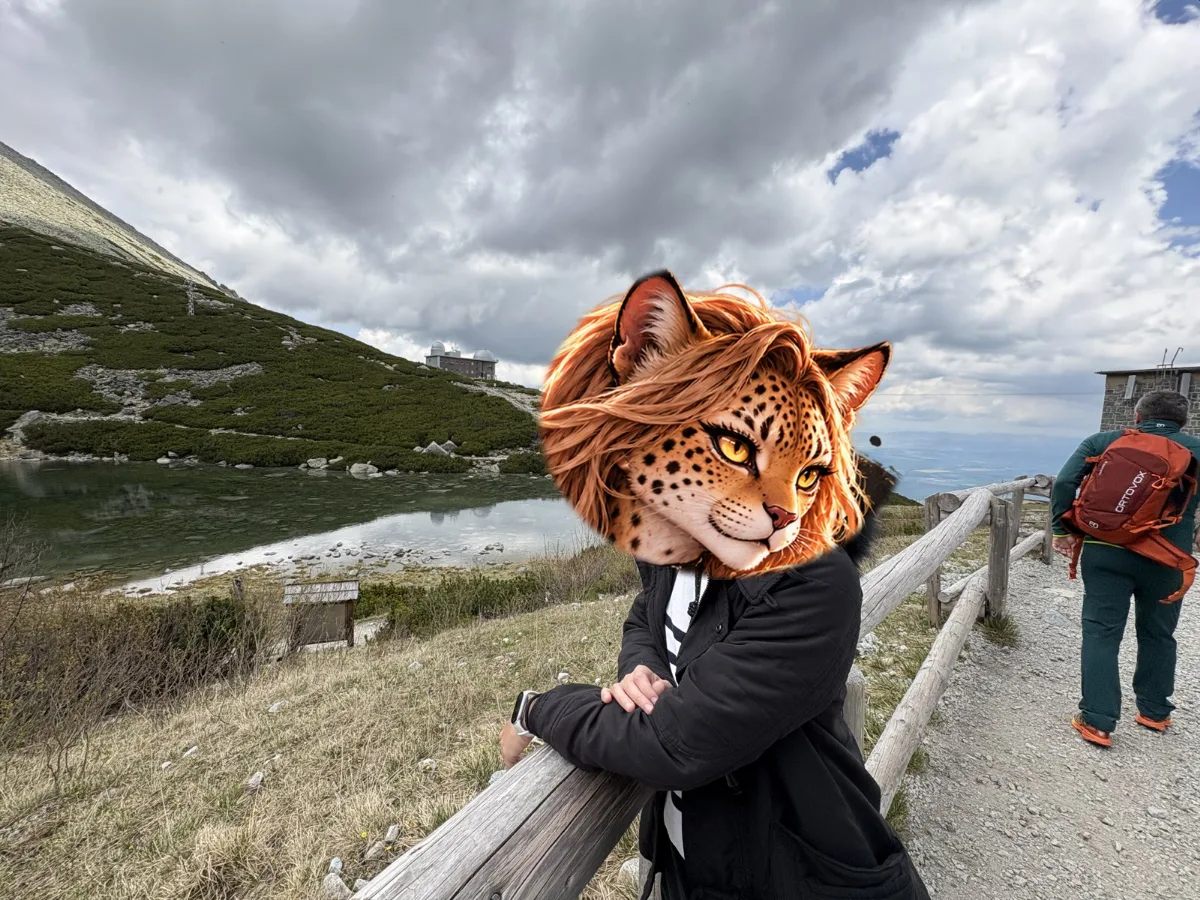
The lakeside path along a wooden railing, right beside Skalnaté Pleso. (Photo: TIME TRAVELER editor)
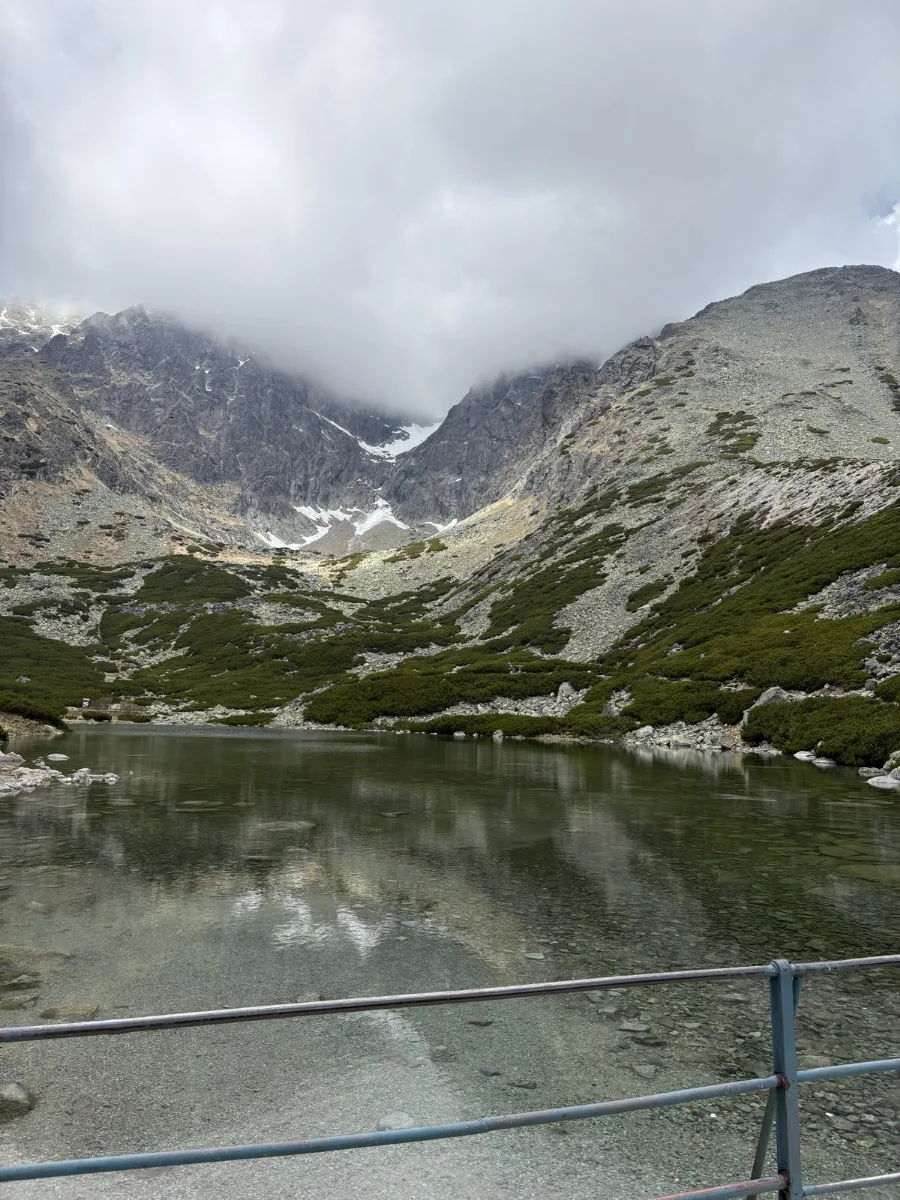
Skalnaté Pleso and the rock face behind it, with clouds covering the summit. (Photo: TIME TRAVELER editor)
The area around Skalnaté Pleso, the intermediate station, is alpine rocky terrain, and a path lets you walk around the lake. That day the clouds kept rising and falling, one moment showing blue sky and the next covering the whole summit – the weather in the mountains really does change fast.
Day 3 | Spiš Castle: one of the largest castle ruins in Central Europe
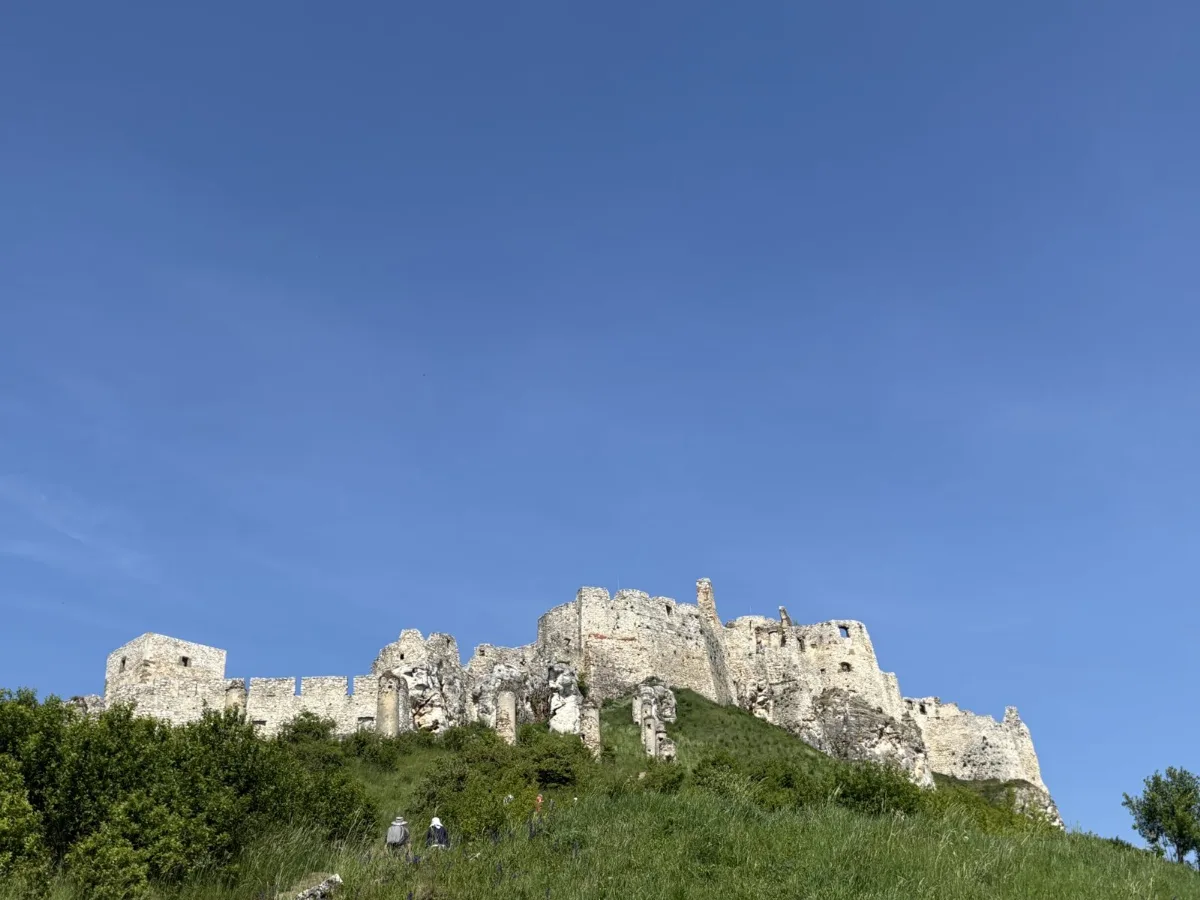
Spiš Castle (Spišský hrad) crouching on top of a limestone hill. (Photo: TIME TRAVELER editor)
On the morning of June 2 we drove to Spiš Castle. From far away you can see the whole stretch of white walls sprawling across the hill, an impressive sight. The castle was first built in the 12th century and expanded for centuries afterwards, until a fire in 1780 left it abandoned. The ruins that remain cover a very large area and are one of the largest castle complexes in Central Europe. In 1993 it was inscribed on the UNESCO World Heritage List together with the surrounding monuments, and in 2009 the old town of Levoča was added, under the name "Levoča, Spišský Hrad and the Associated Cultural Monuments".
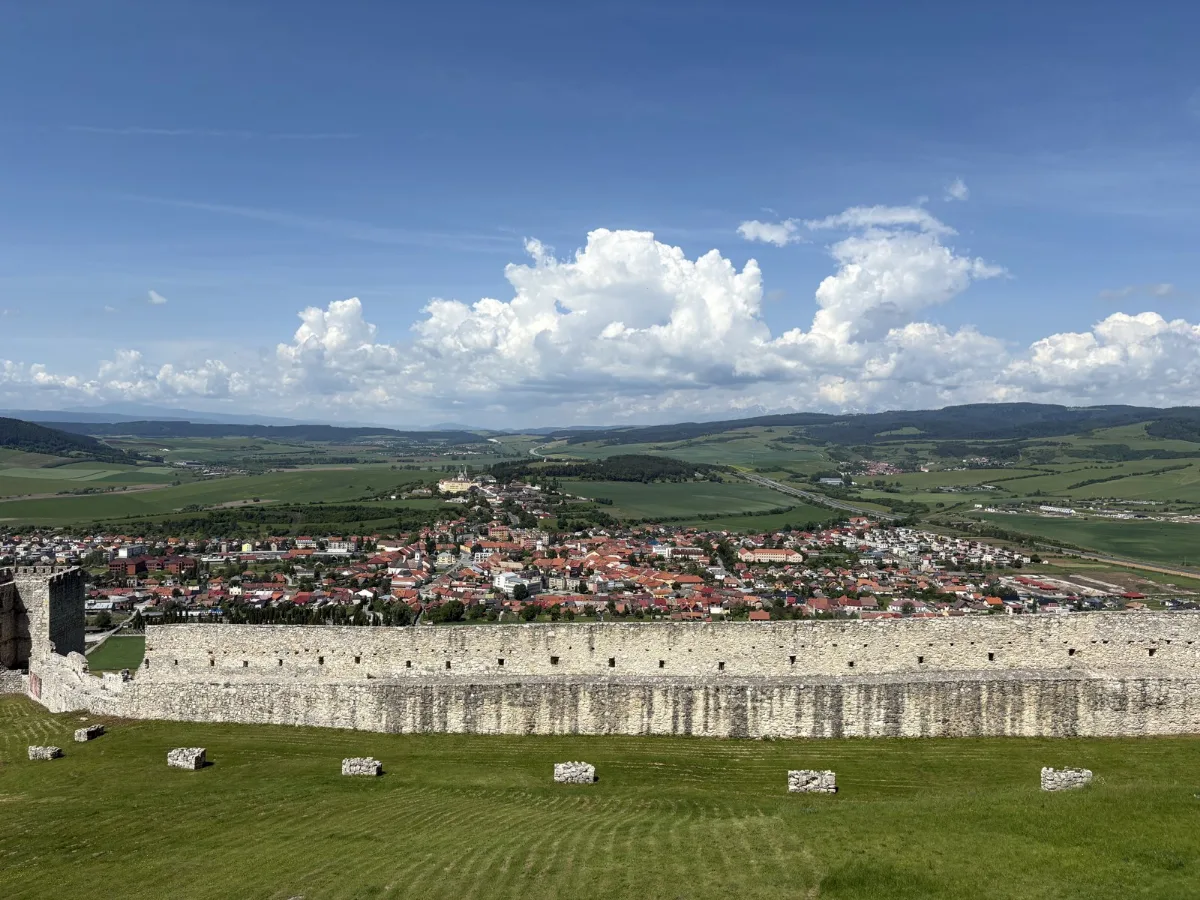
Looking out from the walls of the lower castle, with the small town of Spišské Podhradie at the foot of the hill. (Photo: TIME TRAVELER editor)
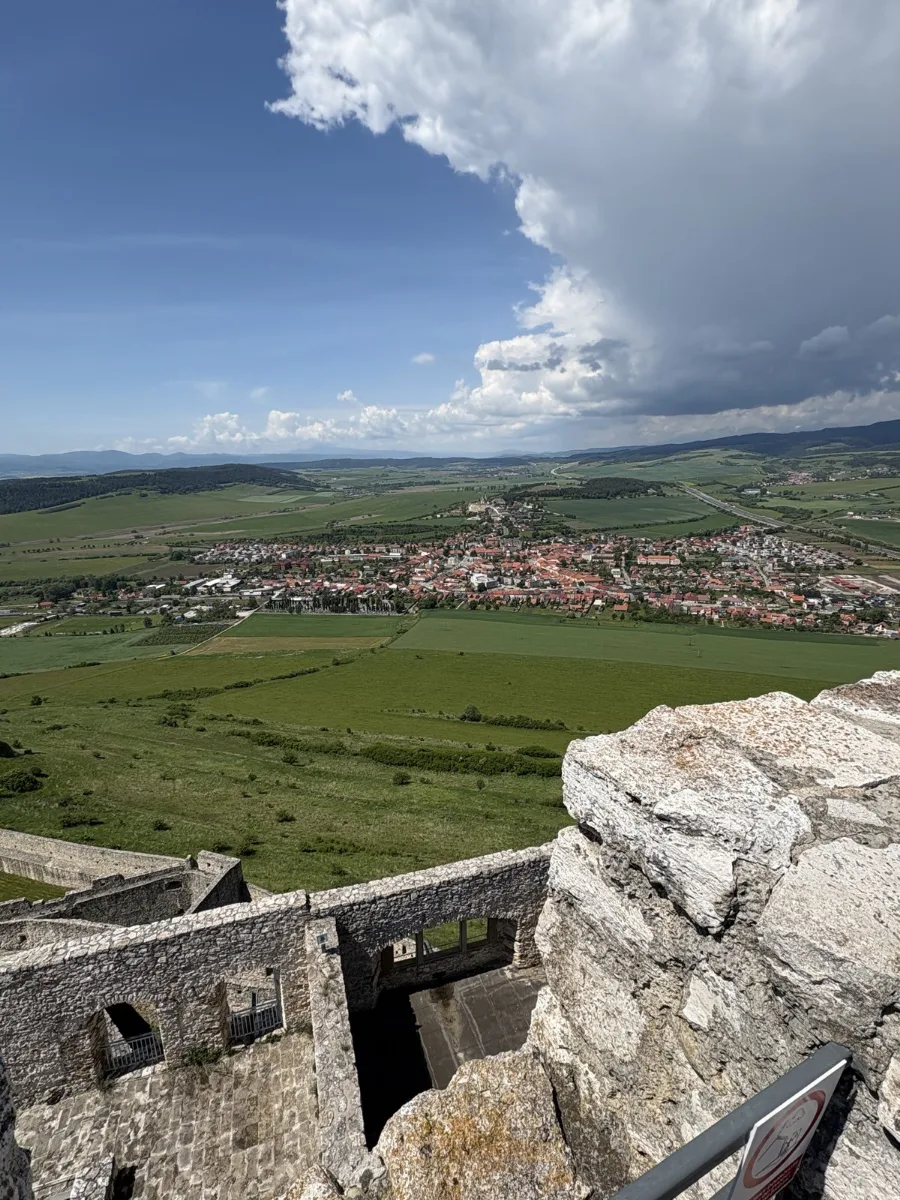
Looking down from high in the castle at the stone walls and the distant fields, with clouds building on the horizon. (Photo: TIME TRAVELER editor)
Inside the castle there are exhibition areas on medieval life and weapons, and one of them displays old instruments of torture.
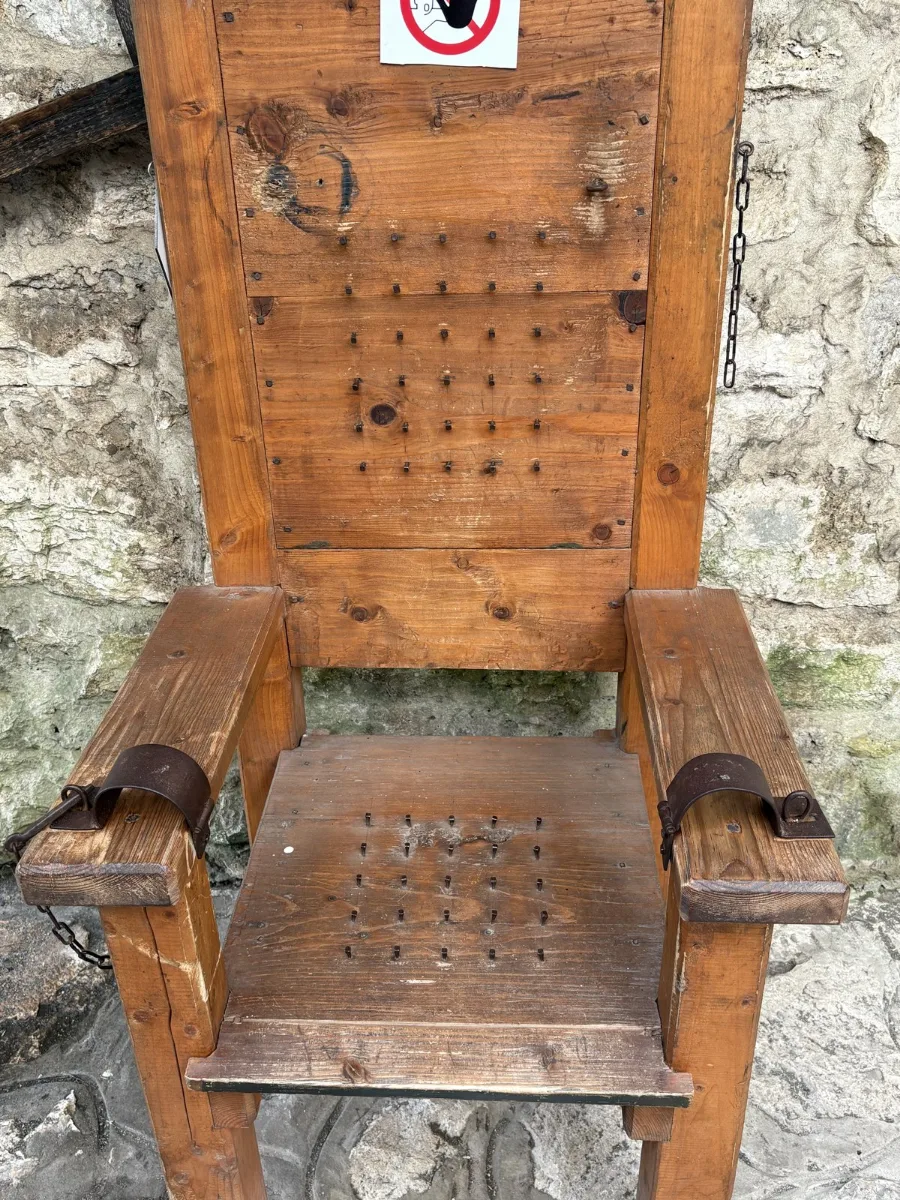
A wooden torture chair in the castle's exhibition, with nails covering the seat and armrests. (Photo: TIME TRAVELER editor)
Levoča: a Renaissance-style town hall
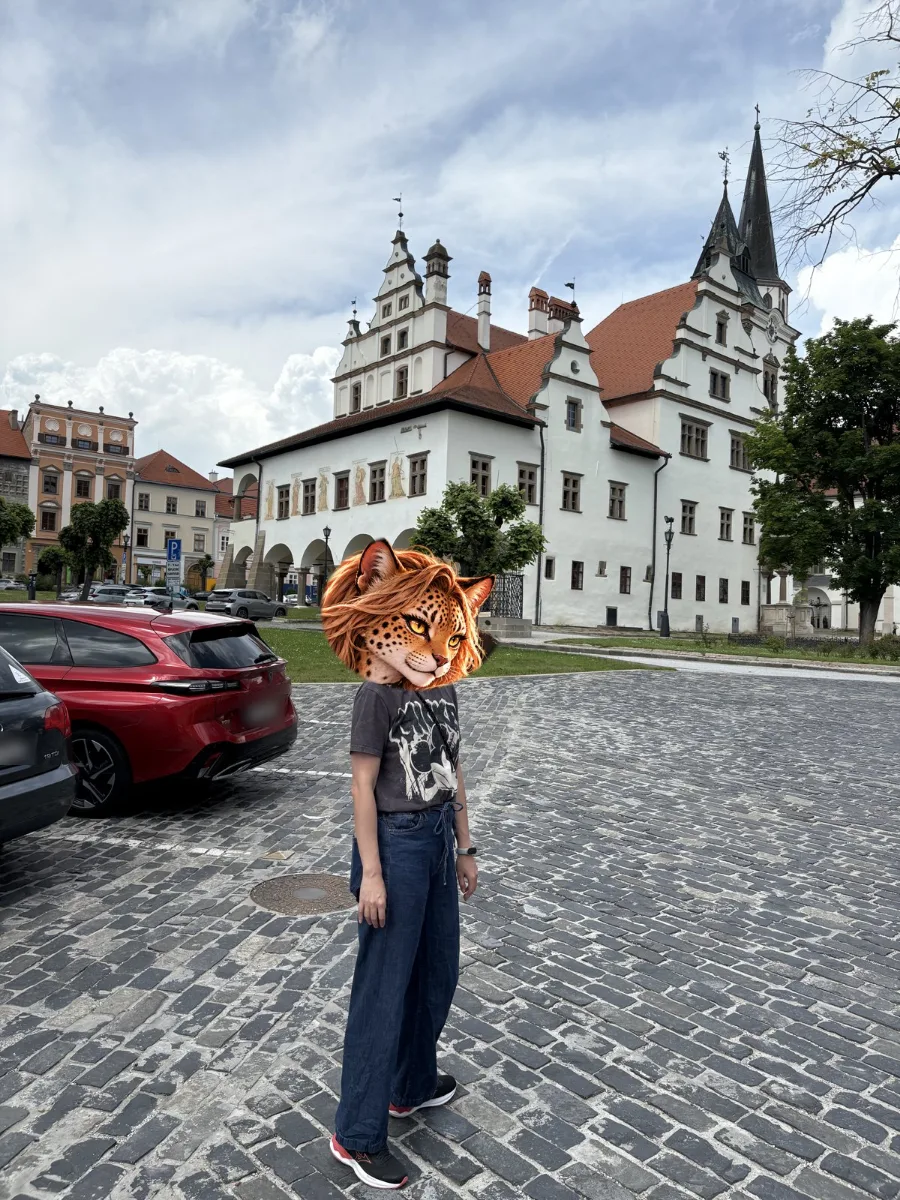
The Renaissance town hall of Levoča, with white walls and arcades and the spire of St. James's Church behind. (Photo: TIME TRAVELER editor)
About twenty minutes' drive west of the castle is Levoča. The small town has kept its complete medieval walls and a large square plaza. The town hall in the middle of the square is in Renaissance style, and in St. James's Church beside it stands Slovakia's most famous wooden altar, completed in the early 16th century by Master Paul of Levoča (Majster Pavol z Levoče). At about 18.6 metres high, it is the tallest Gothic wooden altar in the world. After Levoča we started driving southwest toward the last stop of the trip.
Practical tips
- Lomnický Štít cable car: places on the summit section are limited, so book early on the official website. It may not run in bad weather, so keep your dates flexible.
- Dress warmly: even at the end of May, the temperature in the mountains is very different from the valley, so bring a jacket.
- Spiš Castle: from the car park to the entrance there is an uphill walk, and the ground inside the castle is mostly gravel, so wear comfortable shoes.
- Driving conditions: the mountain roads around the High Tatras have many bends, and the light gets dim after evening, so take special care for wildlife.
- Hotels: Find High Tatras hotels on Trip.com · Find Poprad hotels on Trip.com
Previous post: Central Europe Road Trip (4/6) | Košice, Slovakia: St. Elisabeth Cathedral, the Singing Fountain and Jakab's Palace Next post: Central Europe Road Trip (6/6) | Bratislava + Tihany: the Blue Church, Michael's Gate and a Finale by Lake Balaton
--- Image credit: all photos in this article were taken by the TIME TRAVELER editor; faces of people are covered with the editor's original character stickers.
Travel info and affiliate disclosure: the Trip.com hotel links in this article are affiliate links. If you browse or book through them, this site may earn a commission under the platform's rules, at no extra cost to you. Cable car schedules, tickets, opening hours and transport information can change, so please check the latest official information.
Sources and notes
[Sources and notes] Last verified 2026-10-31 - Dates and places: photo timestamps and location data - Tatra National Park founded 1949; Gerlachovský štít 2,655 m; Lomnický štít 2,634 m; Skalnaté pleso about 1,751 m; Štrbské pleso about 1,346 m - Spiš Castle: built in the 12th century, destroyed by fire in 1780; World Heritage since 1993, extended in 2009 to include Levoča - St. James's Church in Levoča: Master Paul's altar about 18.6 m - All photos were taken by the editor; faces are covered with original character stickers - Cable car schedules, tickets and opening hours may change; check official information before you go - Hotel links are Trip.com affiliate links
Verified on:2026-10-31
Comments (0)
No comments yet.
Comments are published first and reviewed afterwards; rule-breaking comments are hidden. Only signed-in members can comment.